
24/7 Water Damage Restoration & Mould Remediation Sydney
Fast, professional help for floods, burst pipes, hidden moisture and mould. We provide emergency water extraction, moisture-monitored structural drying and professional mould remediation for residential and commercial properties across Sydney.
24/7 Emergency Response
Help when you need it most.
IICRC-Certified Technician
Qualified restoration expertise.
12-Month warranty
12-month mould remediation warranty.
Insurance-Ready Documentation
Photos, readings and records included.
Free Moisture Assessment & Insurance Support
We assess the affected areas, identify visible and hidden moisture, and explain the recommended next steps.
24/7 Emergency Response
Help when you need it most.
IICRC-Certified Technician
Qualified restoration expertise.
Free Emergency Advice
Clear guidance before you proceed.
Insurance-Ready Documentation
Photos, readings and records included.
Certified Water Damage and Mould Restoration Done Properly
Water damage is rarely limited to what you can see. Moisture can quickly spread beneath flooring, behind walls and into structural materials, increasing the risk of further damage, odours and mould growth if it is not assessed and dried correctly.
Water Damage & Mould Specialists provides professional water extraction, structural drying and mould removal for homes, strata properties and businesses across Sydney. Our IICRC-certified technicians use professional moisture-detection equipment, controlled drying methods and clear documentation to manage the restoration process from the initial assessment through to completion.
We do more than
remove visible water. We identify the affected areas, explain the recommended next steps and help restore the property using a careful, evidence-based approach.
GET AN INSTANT FREE QUOTE!
Contact Us
We will get back to you as soon as possible.
Please try again later.
Water Emergency? Act Before the Damage Spreads
Water can move quickly beneath flooring, behind walls and into adjoining rooms. The longer moisture remains untreated, the greater the risk of structural damage, staining, odours and mould growth.
Our emergency restoration team provides fast guidance, professional water extraction and controlled structural drying for homes, strata properties and businesses across Sydney.
What to Do Right Now
24/7 Emergency Response
Speak directly with a trained restoration specialist for clear guidance and rapid assistance.
Free emergency advice and insurance-ready documentation available with eligible restoration work.







Why Choose Water Damage & Mould Specialists?
IICRC-Certified Expertise
Your restoration work is led by an IICRC-certified Water Damage Restoration Technician trained in professional water extraction, moisture assessment and structural drying practices.
Detailed Insurance-Ready Reports
Eligible restoration work includes photographs, moisture readings, drying records and a clear scope of completed work to support communication with your insurer, property manager or loss adjuster.
24/7 Emergency Response
Water damage can spread quickly. We are available around the clock to provide immediate guidance and arrange urgent assistance across Sydney.
Residential, Strata & Commercial
We provide organised restoration solutions for homeowners, landlords, strata managers, property managers and commercial facilities.
Workmanship Assurance
If an issue results directly from eligible work completed within the agreed scope, we will return to assess and address it in accordance with our workmanship terms.
Free Moisture Assessment
Professional moisture testing helps identify affected materials and hidden dampness before the restoration plan is confirmed.
Our Services
Complete Water Damage, Drying & Mould Solutions
From the first moisture assessment through to extraction, drying, mould cleaning and documentation, we provide a complete restoration service for homes, strata properties and businesses across Sydney.
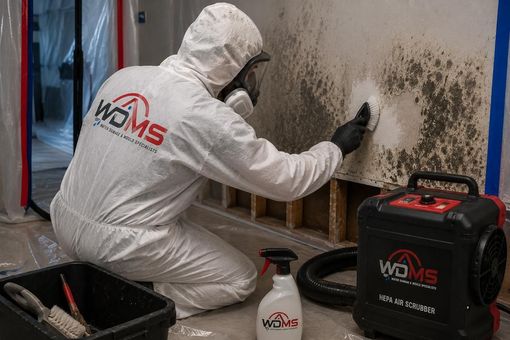
Mould Removal Services
Professional mould remediation services focused on safe containment, removal and mould treatment of the underlying moisture conditions contributing to mould growth.
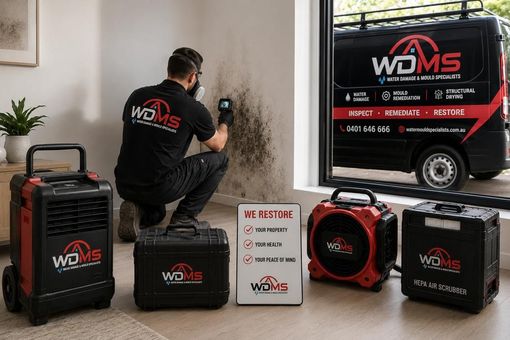
Mould Inspection & Testing
Free mould inspection with eligible remediation work. We assess visible mould, moisture-affected areas and signs of potential hidden dampness, then provide clear findings and recommended next steps.
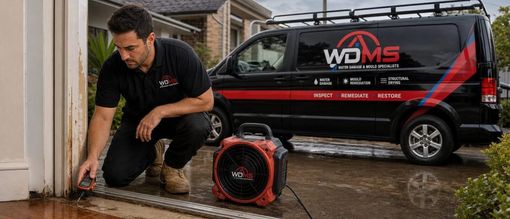
Water Damage Restoration
Complete restoration for burst pipes, leaks, appliance overflows and internal flooding, including assessment, extraction, drying and documentation.
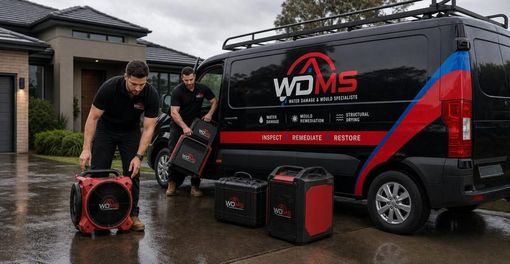
Flood Damage Restoration
Fast recovery after major flooding, stormwater entry or widespread water intrusion, with professional extraction and controlled drying.
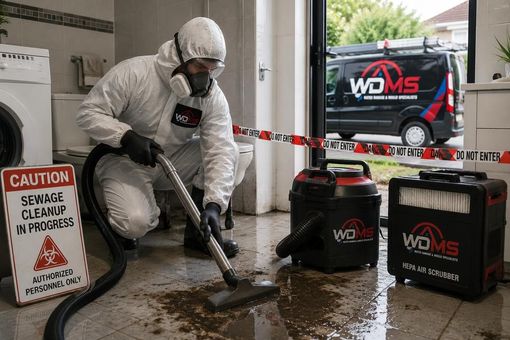
Emergency Water Extraction
Rapid removal of standing water from carpets, flooring, subfloors and affected rooms to help limit further property damage.
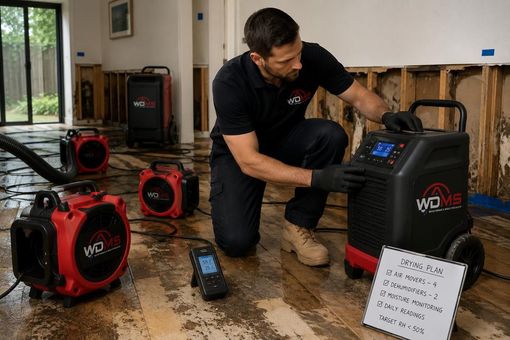
Structural Drying Services
Professional dehumidification and moisture-monitored drying for walls, floors, cavities and other affected building materials.
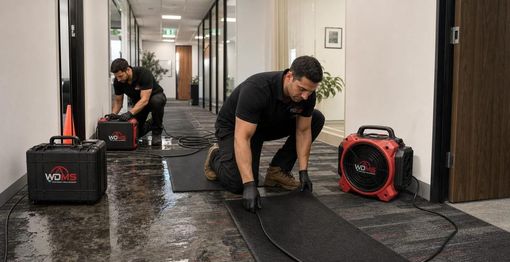
Wet Carpet Drying
Specialist water extraction and drying for wet carpets and underlay following leaks, flooding or plumbing incidents.
Sewage Damage Cleanup
Specialist extraction, cleaning, sanitisation and drying for sewage overflows and other contaminated-water incidents.
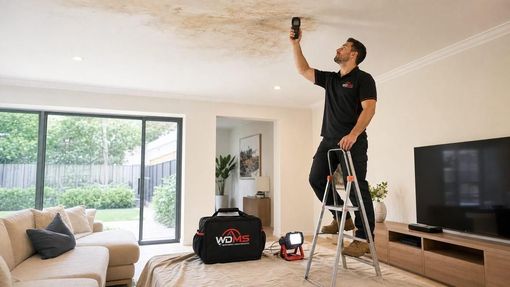
Commercial Restoration
Organised water damage and mould restoration for offices, retail premises, strata buildings, warehouses and other commercial properties.
Additional Restoration Services
Alongside water damage and mould remediation, WDMS also assists with fire and smoke damage restoration, including emergency make-safe work, soot removal, smoke-odour treatment, cleaning, damaged-material removal and restoration coordination.
Certified Expertise
IICRC-Certified Expertise You Can Trust
Our water damage restoration work is led by an IICRC-certified Water Damage Restoration Technician trained in professional water-loss assessment, extraction and structural drying.
This means the restoration process is supported by technical knowledge, professional moisture testing and monitored drying—not surface-level cleaning or guesswork.
The Hidden Risk
Why Water Damage Requires Professional Restoration
Water can spread beneath flooring, behind walls, into insulation and through adjoining rooms. Even when the surface appears dry, hidden moisture may continue damaging materials and create the conditions for mould growth.
Do Not Wait for Hidden Moisture to Become Visible
Arrange a professional moisture assessment and receive clear guidance on the next steps.
Hidden Moisture Spreads
Water can travel into wall cavities, subfloors, insulation and structural materials well beyond the visibly affected area.
Damage Can Continue After the Surface Dries
Trapped moisture may contribute to swelling, staining, odours, timber movement, damaged plasterboard and mould growth.
Drying Must Be Measured
Professional moisture-testing equipment helps identify affected materials and track drying progress using actual readings rather than appearance alone.
Specialist Equipment Is Required
Commercial extractors, air movers and dehumidifiers help remove water, control humidity and dry the property more effectively than household fans.
Our Restoration Process
We follow a clear, professional process to assess the damage, remove water, manage hidden moisture and document the restoration from start to finish.
Step 01
Emergency Call & Initial Guidance
Tell us what has happened and we will provide immediate advice on the safest next steps while arranging attendance where required
Step 02
Inspection & Moisture Assessment
We inspect the affected areas, identify the likely source and use professional moisture-testing equipment to check for visible and hidden moisture.
Step 03
Water Extraction & Damage Control
Standing water is removed and immediate measures are taken to help limit further damage to flooring, walls, contents and adjoining areas.
Step 04
Structural Drying Setup
Commercial air movers, dehumidifiers and specialist drying equipment are positioned according to the property conditions and affected materials.
Step 05
Monitoring & Progress Updates
Moisture levels and drying progress are checked throughout the process, with equipment adjusted where needed to support controlled drying.
Step 06
Final Assessment & Documentation
Once the drying process is complete, we review the affected areas and provide eligible photographs, moisture readings and restoration records.
Insurance Support Where Required
With your permission, we can provide relevant documentation and coordinate restoration information with your insurer, broker, property manager or loss adjuster.
The Right Tools for Accurate, Controlled Drying
Professional Equipment & Restoration Technology
Water damage is not always visible on the surface. We use professional restoration equipment to locate moisture, remove standing water, control humidity and monitor drying progress throughout the job.
Moisture Detection Equipment
Professional moisture meters help identify affected materials and detect moisture that may be hidden beneath flooring, behind walls or inside structural areas.
Commercial Water Extraction
High-powered extraction equipment removes standing water from carpets, flooring, subfloors and other affected areas to help limit further damage.
Air Movers
Commercial air movers create controlled airflow across wet surfaces and building materials to support faster, more effective drying.
Dehumidification Systems
Professional dehumidifiers reduce excess moisture in the air and help draw moisture from affected walls, floors and structural materials.
HEPA Air Filtration
Where required, HEPA air scrubbers help manage airborne particles during mould remediation and contaminated-water restoration work.
Thermal Imaging & Moisture Mapping
Where appropriate, thermal imaging and moisture mapping can help identify the extent of affected areas and guide the restoration plan.
Cavity & Subfloor Drying
Specialist drying systems may be used for wall cavities, subfloors and other difficult-to-access areas where moisture can remain trapped.
Monitored Drying, Not Guesswork
Drying progress is checked using actual moisture readings so equipment can be adjusted as conditions change.
We Help Make Insurance Claims Easier
From damage photographs and moisture readings to drying records and scopes of work, we provide clear restoration documentation and can coordinate relevant information with your insurer or loss adjuster where authorised.
- Insurance-ready documentation
- Damage photographs and moisture readings
- Clear restoration scope
- Drying progress records
- Insurer and loss-adjuster communication
Professional Support for Every Type of Property
Residential, Strata & Commercial Restoration
We tailor the restoration process to the property, level of damage and people involved, with clear communication from assessment through to completion.
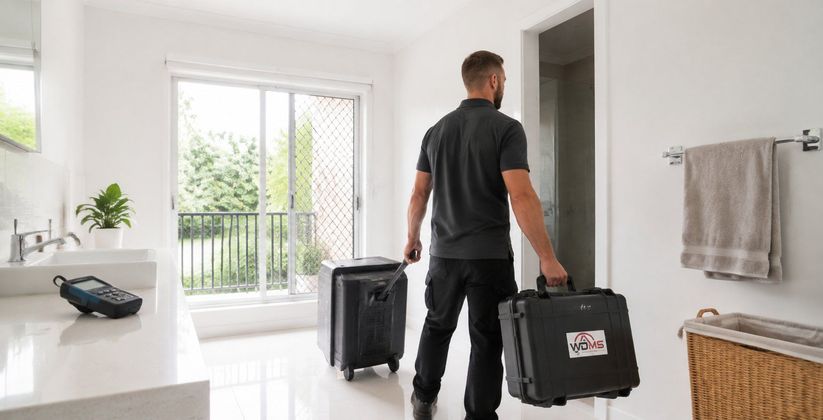
Residential
Fast help for homeowners, landlords and tenants dealing with floods, burst pipes, wet carpets, hidden moisture and mould.
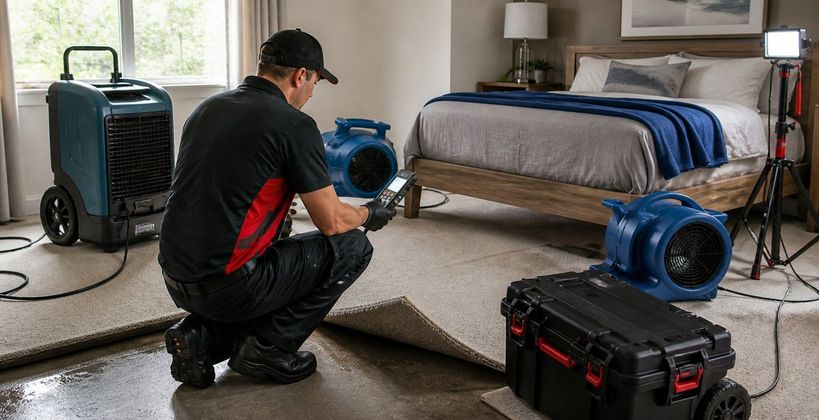
Strata & Property Management
Organised support for strata managers, building managers and property managers, including access coordination, progress updates and restoration documentation.
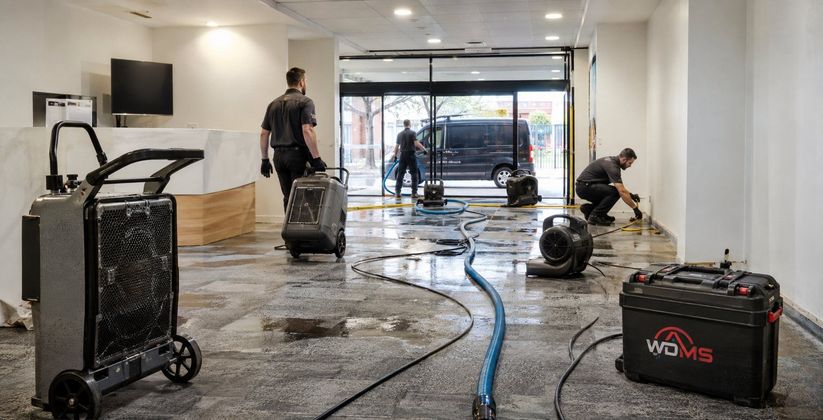
Commercial
Responsive restoration for offices, retail premises, warehouses and other commercial properties where downtime and clear communication are critical.
One Team From Assessment to Completion
Water extraction, structural drying, mould removal and insurance-ready documentation—all coordinated through one restoration team
More Than Surface-Level Water Removal
Why Professional Restoration Makes a Difference
A basic cleanup may remove the visible water, but professional restoration focuses on the hidden moisture, affected materials and drying process needed to reduce further damage.
| Basic Water Cleanup | Professional Restoration |
|---|---|
| Removes visible water | Assesses visible and hidden moisture |
| Uses basic extraction only | Combines extraction, drying and monitoring |
| Relies on surface appearance | Uses professional moisture readings |
| Limited follow-up | Tracks drying progress where required |
| Minimal documentation | Provides photos, readings and restoration records |
| May overlook mould risk | Considers secondary moisture and mould conditions |
| Focuses on immediate cleanup | Focuses on the full recovery process |
The Difference Is What Happens After the Water Is Gone
We identify the affected areas, remove standing water, monitor structural drying and document the work completed—helping you make informed decisions about the next stage of restoration.
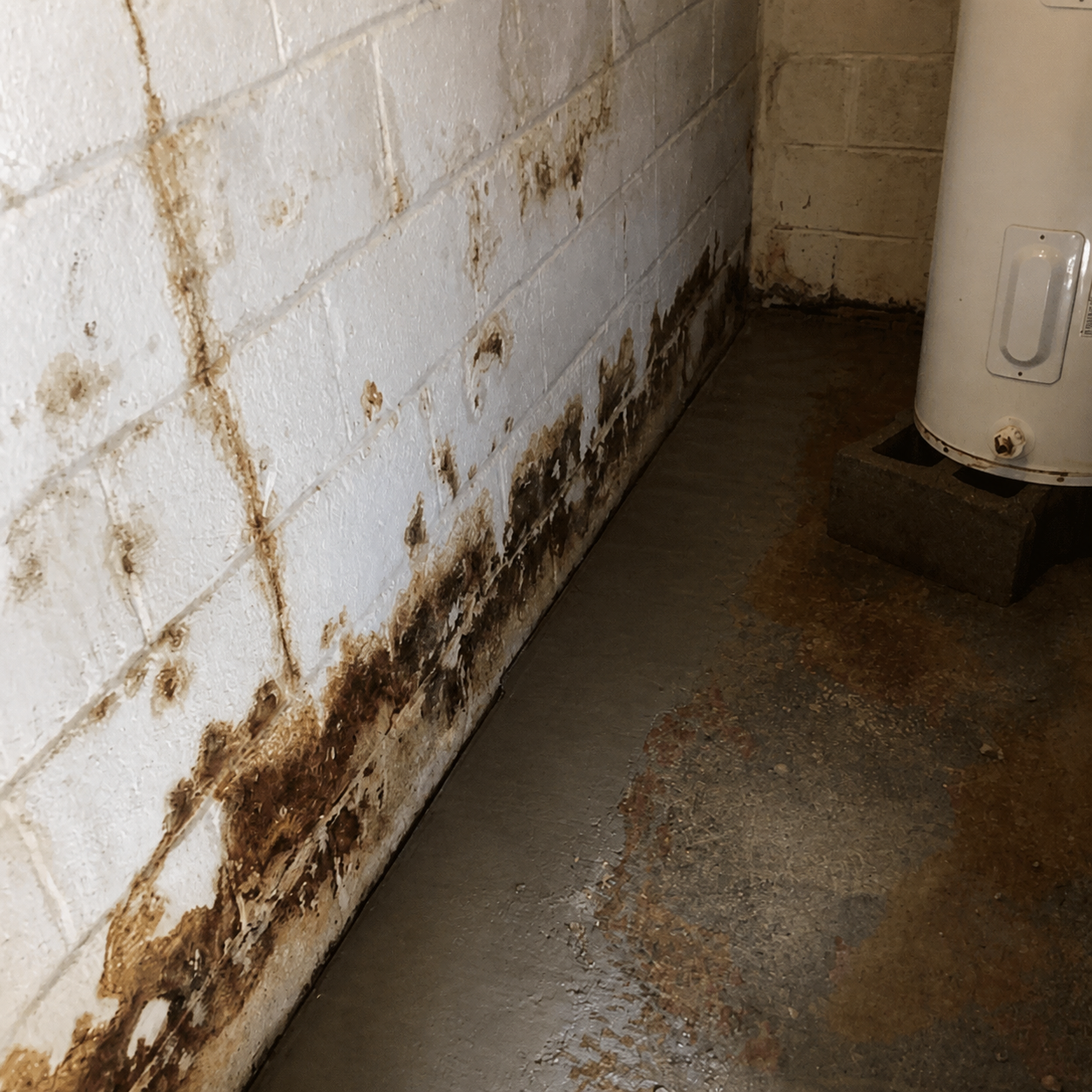
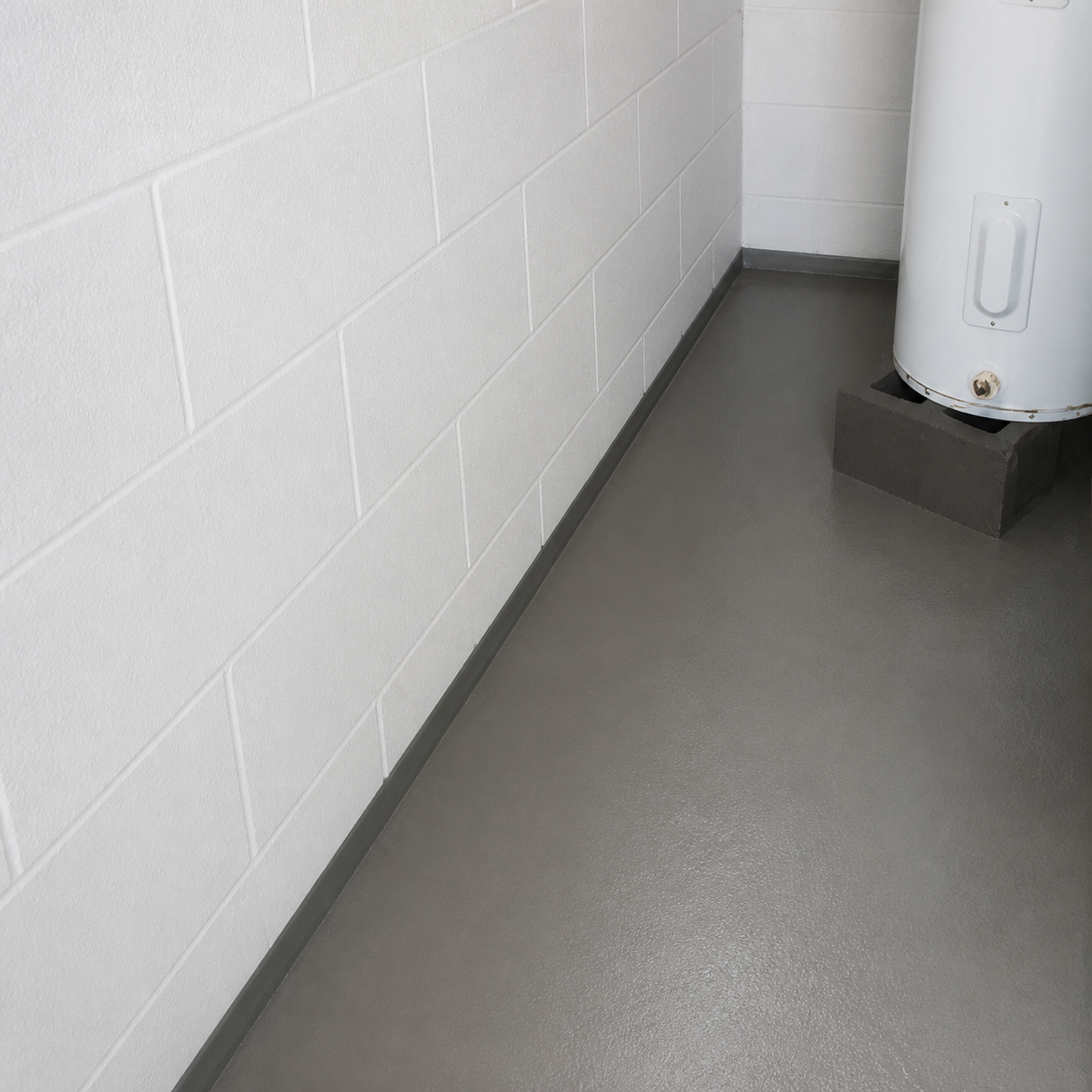
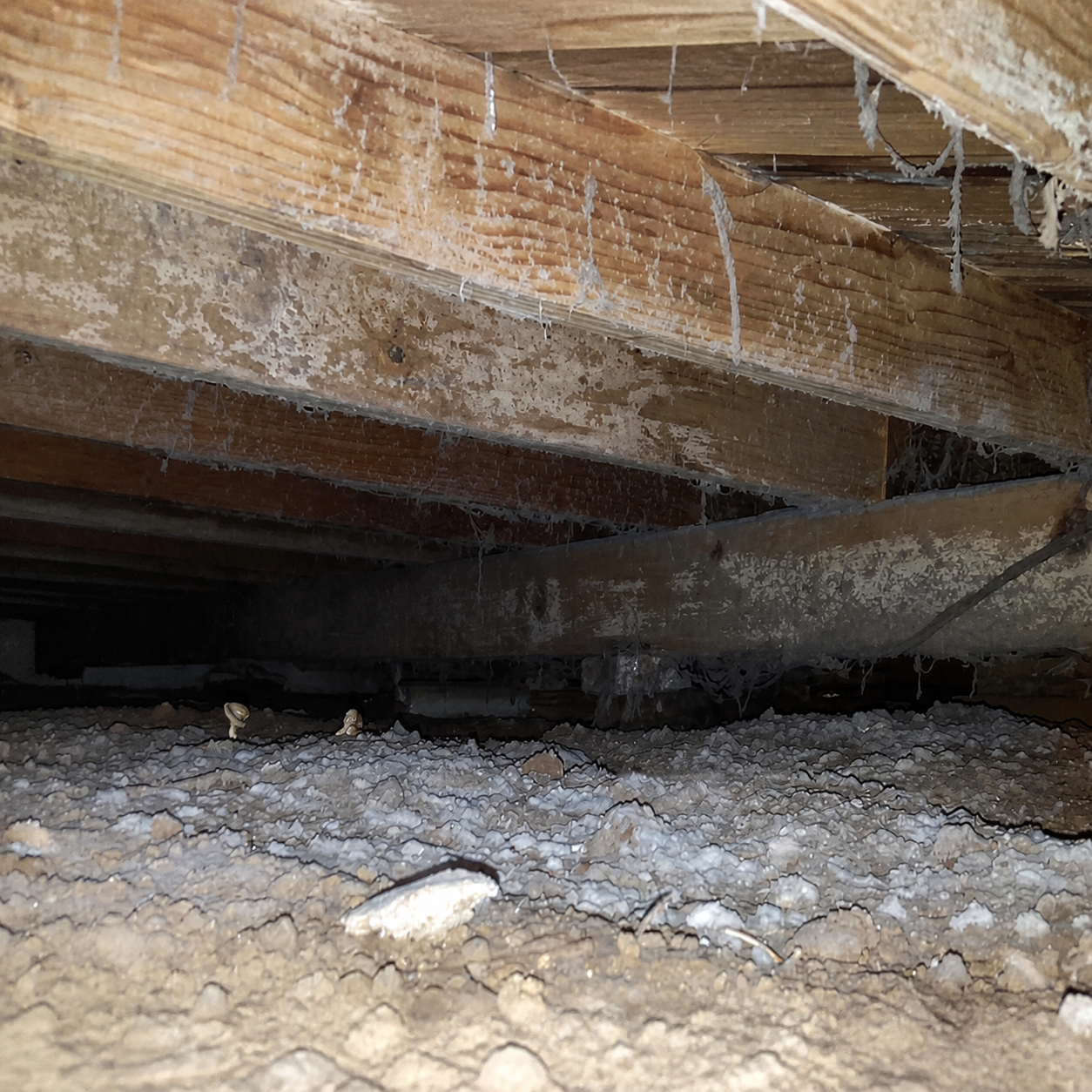
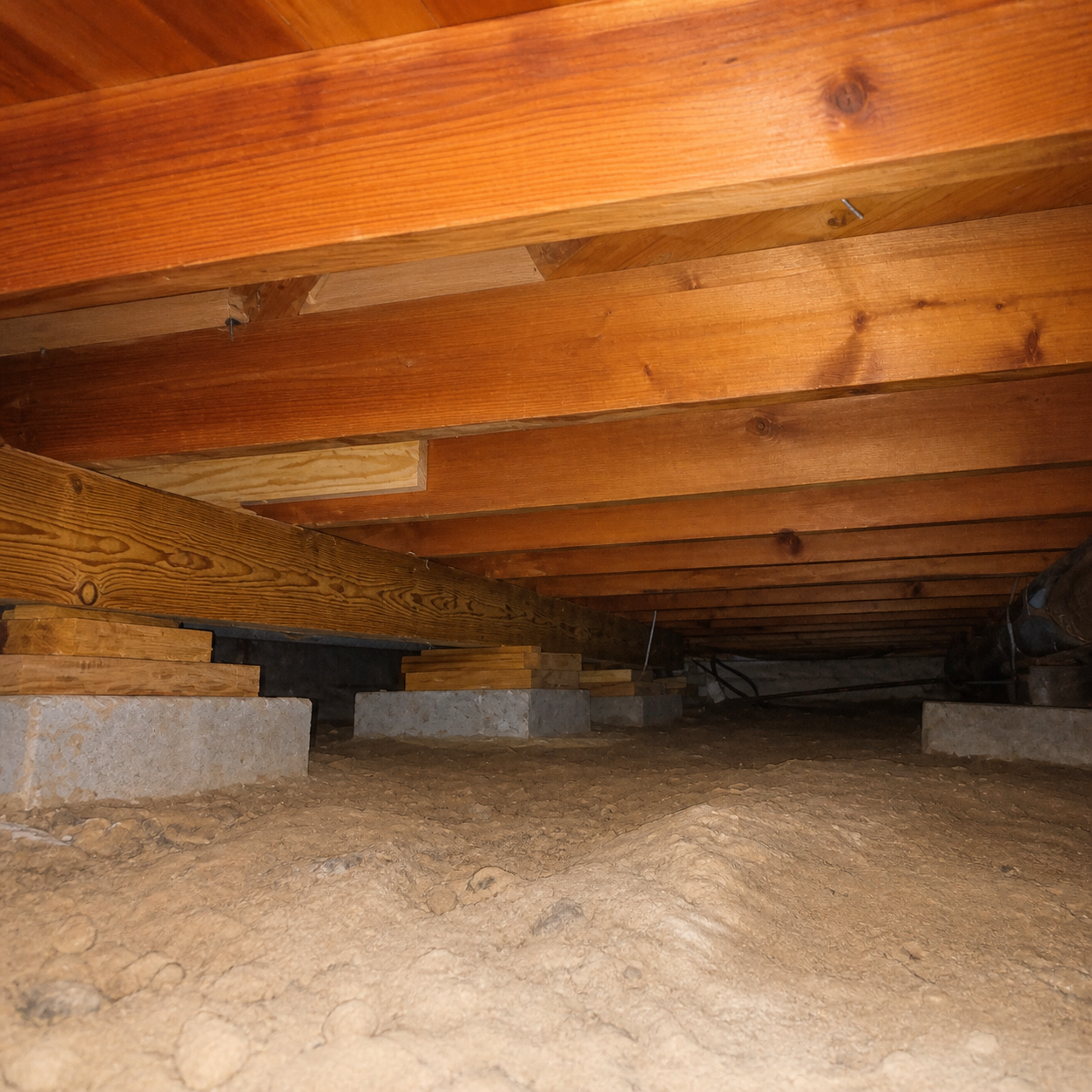
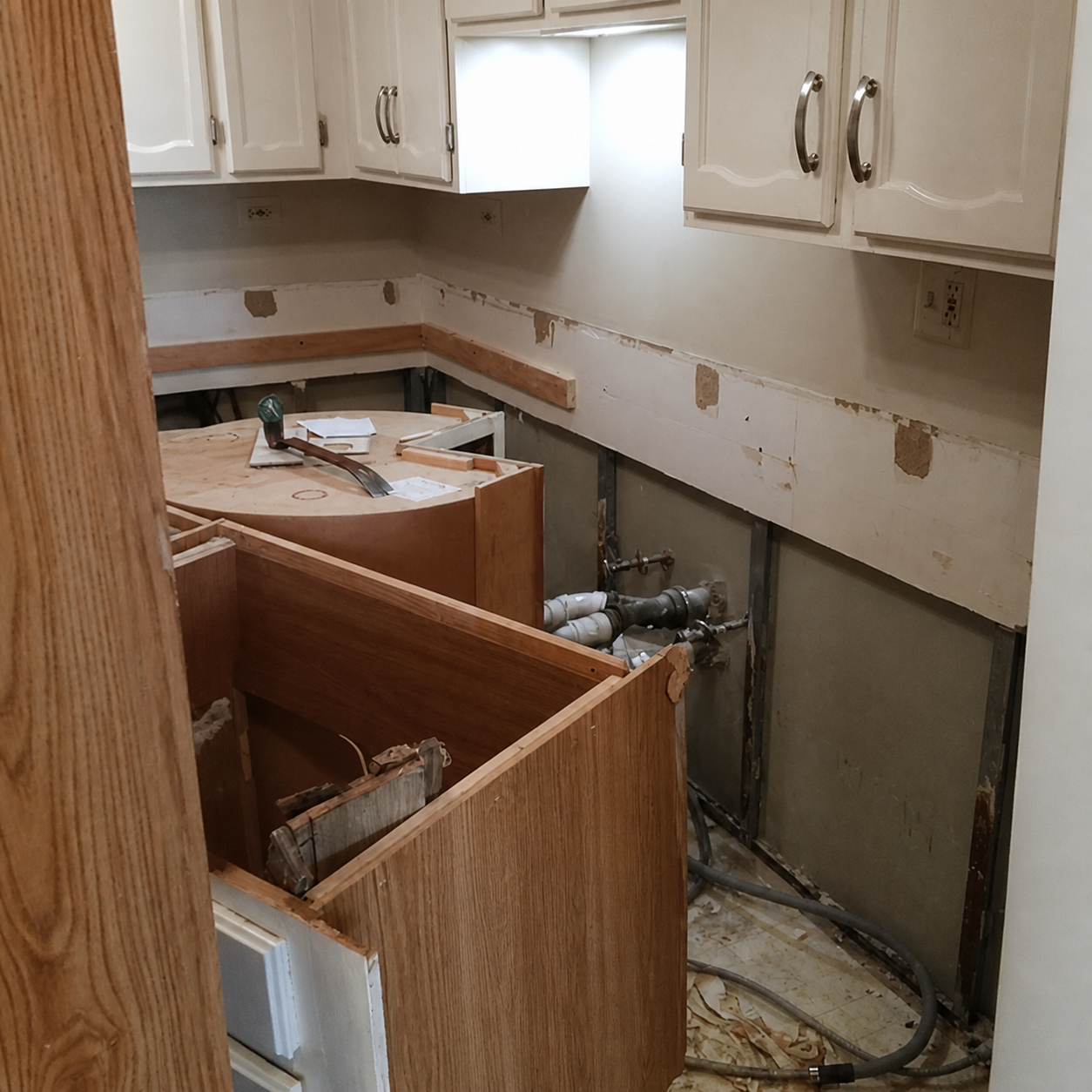
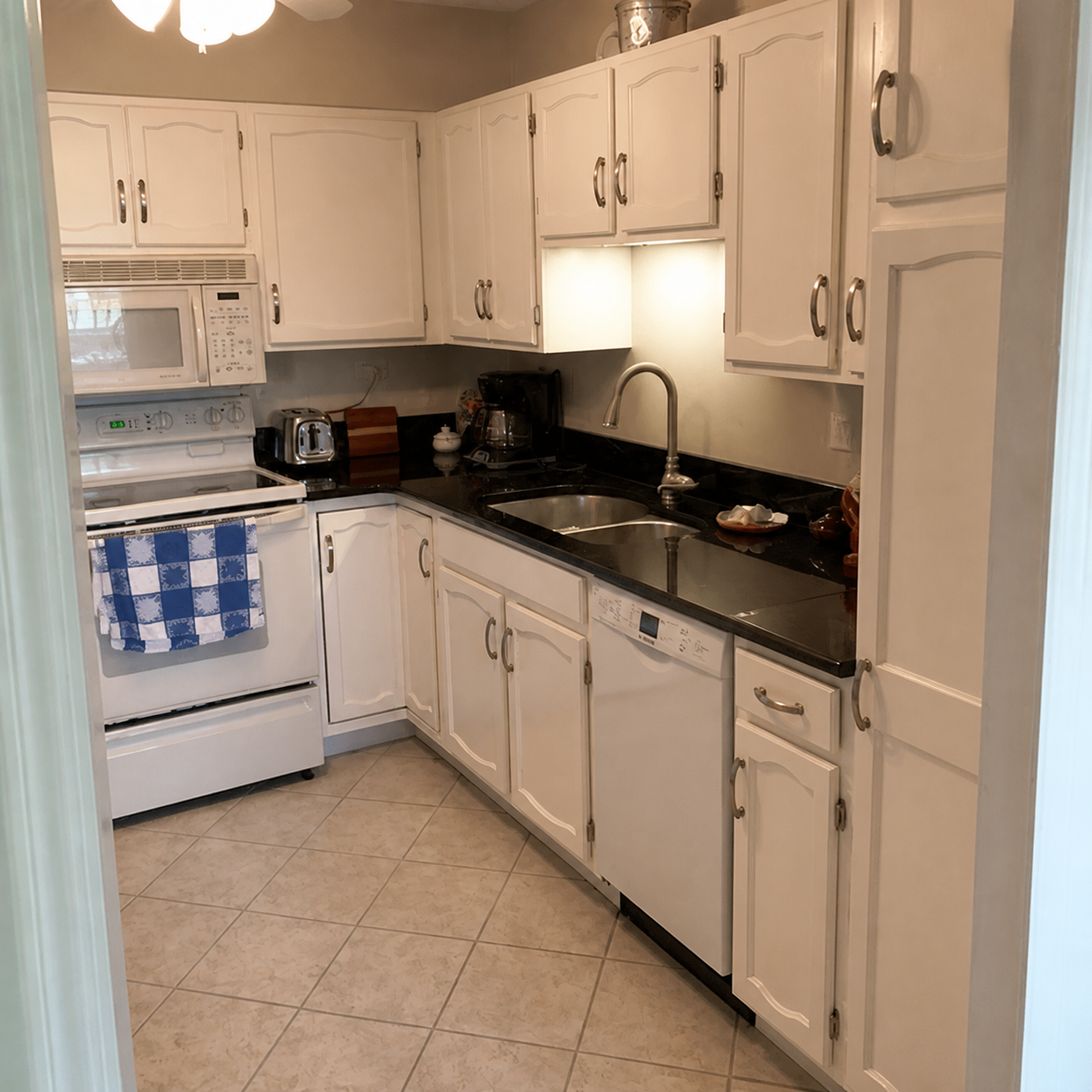
Results You Can See
Frequently Asked Questions
How quickly should water damage be treated?
Water damage should be assessed and drying should begin as soon as possible—ideally within the first 24–48 hours. Prompt extraction and controlled drying can reduce moisture migration, improve the chance of saving affected materials and lower the risk of secondary mould growth. CDC guidance recommends cleaning and drying water-affected properties within 24–48 hours where possible.
Can mould start growing within 24–48 hours?
Yes. Under suitable moisture, temperature and material conditions, mould can begin developing within approximately 24–48 hours. It may also grow behind walls, beneath carpet, inside cabinetry or in other areas that are not immediately visible.
What should I do immediately after discovering water damage?
Where safe, stop the water source, avoid electrical hazards and keep people away from contaminated water. Move unaffected valuables out of the area and contact a restoration specialist promptly. Do not assume the property is dry simply because visible water has been removed.
How do you determine whether the property is completely dry?
We use professional moisture-detection equipment to assess affected materials and monitor their progress during structural drying. Surface appearance alone is not reliable because moisture may remain beneath flooring, behind walls or inside porous materials.
Can rapid action reduce the overall repair cost?
Often, yes. Fast water extraction and controlled drying may prevent moisture from spreading further and improve the chance of retaining flooring, plasterboard, cabinetry and other salvageable materials. Delays can increase the likelihood of mould growth, deterioration and more extensive replacement work.
Will damaged walls, ceilings or flooring need to be replaced?
Not always. Some materials can be professionally dried and retained, while others may need to be removed because of contamination, deterioration or an inability to dry them safely. Porous materials affected by mould can sometimes be difficult or impossible to clean completely. Replacement decisions should be made after the structure has been assessed and drying progress has been documented.
How is mould removed from walls and ceilings?
The method depends on the affected material, extent of contamination and moisture source. Remediation may involve containment, HEPA vacuuming, detailed hand cleaning or damp wiping of suitable surfaces, and removal of porous materials that cannot be effectively cleaned. The underlying moisture problem must also be corrected or mould may return.
What is ULV fogging, and is it enough to remove mould?
A ULV fogging machine disperses a fine mist of an appropriate treatment solution into selected areas. It may be used as one component of a broader remediation process, depending on the site and product instructions. However, fogging alone does not replace containment, physical removal, detailed surface cleaning, HEPA filtration or correction of the moisture source.
Do you provide insurance claim assistance?
Yes. For eligible restoration work, we can provide photographs, moisture readings, drying records and a clear scope of work to support communication with your insurer, broker, property manager or loss adjuster. Insurance coverage and claim approval remain subject to the customer’s policy and the insurer’s assessment.
Do you provide a warranty against mould returning?
Eligible mould-remediation work may include a 12-month workmanship warranty against mould recurrence in the treated area, subject to the agreed scope and warranty conditions.
The warranty should clearly exclude mould caused by:
- New or recurring water leaks
- Condensation or excessive indoor humidity
- Poor ventilation
- Building defects
- Flooding after treatment
- Untreated adjoining areas
- Failure to follow moisture-control recommendations
How long does water damage restoration service take?
The timeframe depends on the water source, affected materials, contamination category, size of the area and how deeply moisture has travelled. Extraction may be completed quickly, but monitored structural drying can take several days. Any reconstruction or replacement work generally begins after the affected structure has been assessed as sufficiently dry.
Can wet carpet be saved?
Possibly. The outcome depends on the water source, how long the carpet and underlay have remained wet, the material condition and whether contamination is present. Clean-water incidents treated quickly may allow more materials to be retained, while sewage or heavily contaminated water may require removal for safety.
Do I need professional flood restoration if the surface already looks dry?
Potentially, yes. Water can remain inside wall cavities, beneath floors and within insulation or timber after visible surfaces appear dry. Professional moisture readings help determine whether hidden areas remain affected and whether further drying is required.
Need Help With Water Damage or Mould
24/7 Emergency Response
● IICRC-Certified Technician
● Free Moisture Assessment With Approved Work
● Insurance Claim Support
Insurance coverage and claim approval remain subject to your policy and insurer assessment.
Act Early Before the Damage Spreads
Speak directly with our IICRC-Certified restoration specialist for clear advice, professional moisture assessment and fast assistance across Sydney.
We provide water extraction, structural drying, mould removal and insurance-ready documentation for homes, strata properties and businesses.