WATER DAMAGE RESTORATION & MOULD REMEDIATION HILLS DISTRICT
Up in the Hills District, homes face water from two directions, the sky and the ground. Storms off the Blue Mountains test ageing roofs, gutters, and valley iron, while reactive Wianamatta clay shifts beneath slabs until pipework cracks. Either way, the result is water damage and the mould that follows. Water Damage & Mould Specialists puts it right, with water damage restoration and mould remediation across the region, IICRC-trained technicians, calibrated moisture meters, and insurance-ready reports.
IICRC-CERTIFIED WATER DAMAGE RESTORATION TECHNICIANS
24/7 EMERGENCY RESPONSE ACROSS THE HILLS DISTRICT
FREE MOISTURE ASSESSMENT WITH APPROVED WORK
INSURANCE-READY REPORTS TRUSTED BY AUSTRALIAN INSURERS
ADVANCED DRYING EQUIPMENT AND THERMAL IMAGING
RESIDENTIAL, STRATA, AND COMMERCIAL PROPERTIES COVERED
Rapid Response. Monitored Drying. Insurance Documentation Support.
IICRC-Certified Water Damage Restoration Technician
24/7 Emergency Response Across Sydney
Free Moisture Assessment on Approved Work
Insurance-Ready Reports Trusted by Australian Insurers
Advanced Drying Equipment and Thermal Imaging
Residential, Strata and Commercial Properties Covered
The Hills District's Standards-First Water Damage & Mould Team
Sitting higher than most of Sydney, the Hills District cops harder storms and more clay. Ageing roofs, slab leaks, and creek flooding turn small problems into mould fast. We cover Castle Hill, Baulkham Hills, Kellyville, and Rouse Hill with water damage restoration services, through to mould removal services.
Behind every job is an IICRC-certified Water Damage Restoration Technician working to the AS/IICRC S500 standard, the benchmark Australian insurers use. We map the affected areas with thermal imaging and moisture meters, tracing hidden moisture behind walls and in the roof space before the drying equipment goes on.
From established brick-veneer homes and 1990s estates to new builds in Rouse Hill and The Ponds, we look after residential and commercial properties right across the Hills. One certified crew stays with your job from the first call to the final signed-off report..
GET AN INSTANT FREE QUOTE!
Contact Us
We will get back to you as soon as possible.
Please try again later.
Why Hills District Property Owners Choose WDMS
What counts is the damage you cannot see, deep in a slab or wall cavity. Our water damage restoration finds and dries it out.
IICRC-Certified Standards
We work to the AS/IICRC S500 standard on every water damage restoration job, the framework Australian insurers rely on.
Real Moisture Readings
Calibrated readings across timber floors, plasterboard, subfloors, and carpets drive every drying decision here, not the naked eye alone.
Thermal Imaging Detection
Thermal imaging shows moisture behind walls and in the roof space without opening up, so the picture is clear on arrival.
Advanced Restoration Equipment
Each van carries truck-mounted extractors, commercial air movers, LGR dehumidifiers, and HEPA scrubbers, matched to the size of the job.
Insurance-Ready Reports
Each claim is backed by dated photographs, sequential moisture readings, daily drying logs, and a scope of work for your loss adjuster.
24/7 Certified Response
Storms do not keep business hours, and neither do we, with a certified crew who respond immediately, day or night.
Water Emergency? Act Before It Spreads Across Your Hills District Property
Water moves fast. A roof leak or cracked slab soaks ceilings, walls, and floors, and left untreated, materials bring structural damage, damp plaster, and mould growth. Act fast, our crew starts with water extraction, structural drying, and treatment to prevent mould.
What to Do Right Now
Turn the water off at the mains, or isolate the appliance that failed if it is safe to reach.
Switch the power off at the switchboard and keep clear of any contaminated water or sewage.
Move furniture, rugs, and valuables clear of the wet area and photograph the damage for your claim.
Call WDMS on 0401 646 666 for immediate advice and a same-day emergency callout.
24/7 Emergency Response
Speak directly with a trained restoration specialist for clear guidance and rapid assistance.
Free emergency advice and insurance-ready documentation available with eligible restoration work.
what we do
Our Restoration Services Hills District
No two water events are alike, so we offer a comprehensive range of damage restoration services in Sydney's Hills District, a full range of services for the affected areas and property.
Additional Restoration Support
Alongside water damage restoration, structural drying and mould remediation, WDMS can also assist with fire and smoke damage restoration, including emergency make-safe work, soot removal, smoke-odour treatment and restoration documentation.
Mould Remediation
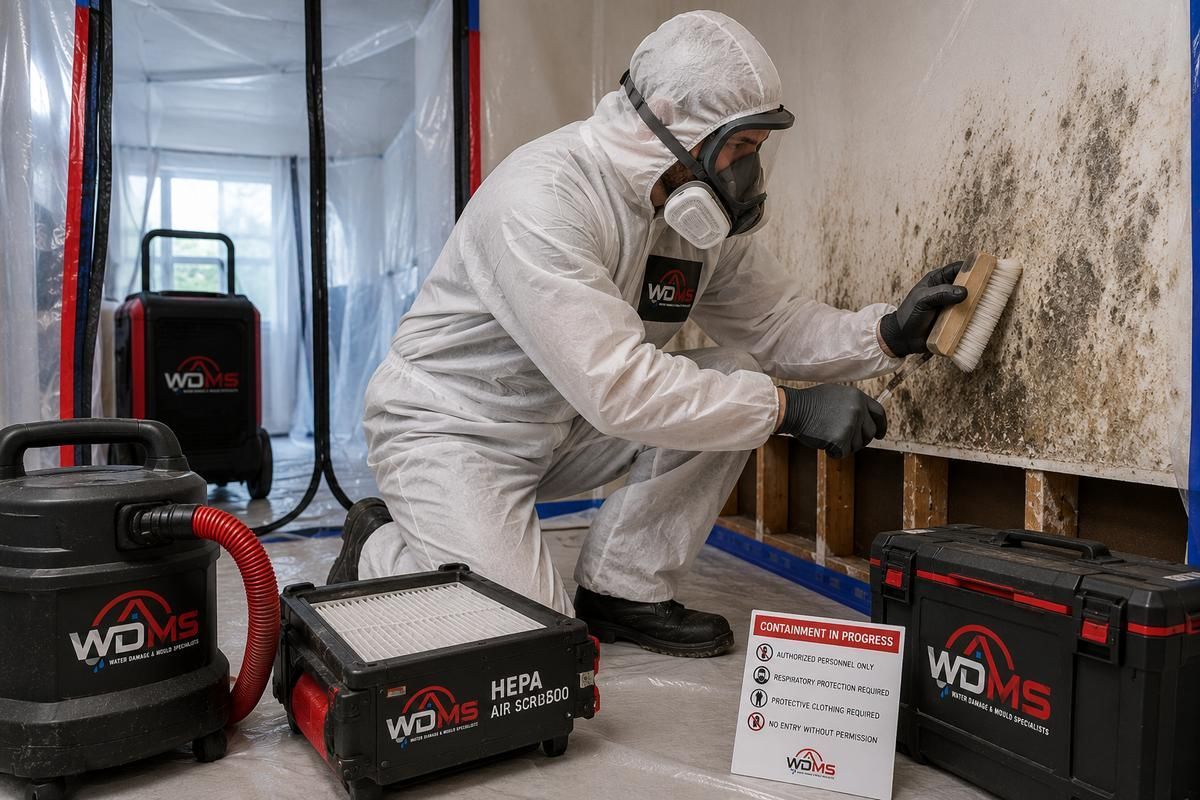
Our professional mould remediation services cover containment, HEPA filtration, mould removal, and mould cleaning, then treat the moisture source, all under a 12-month warranty.
Mould Inspection and Testing
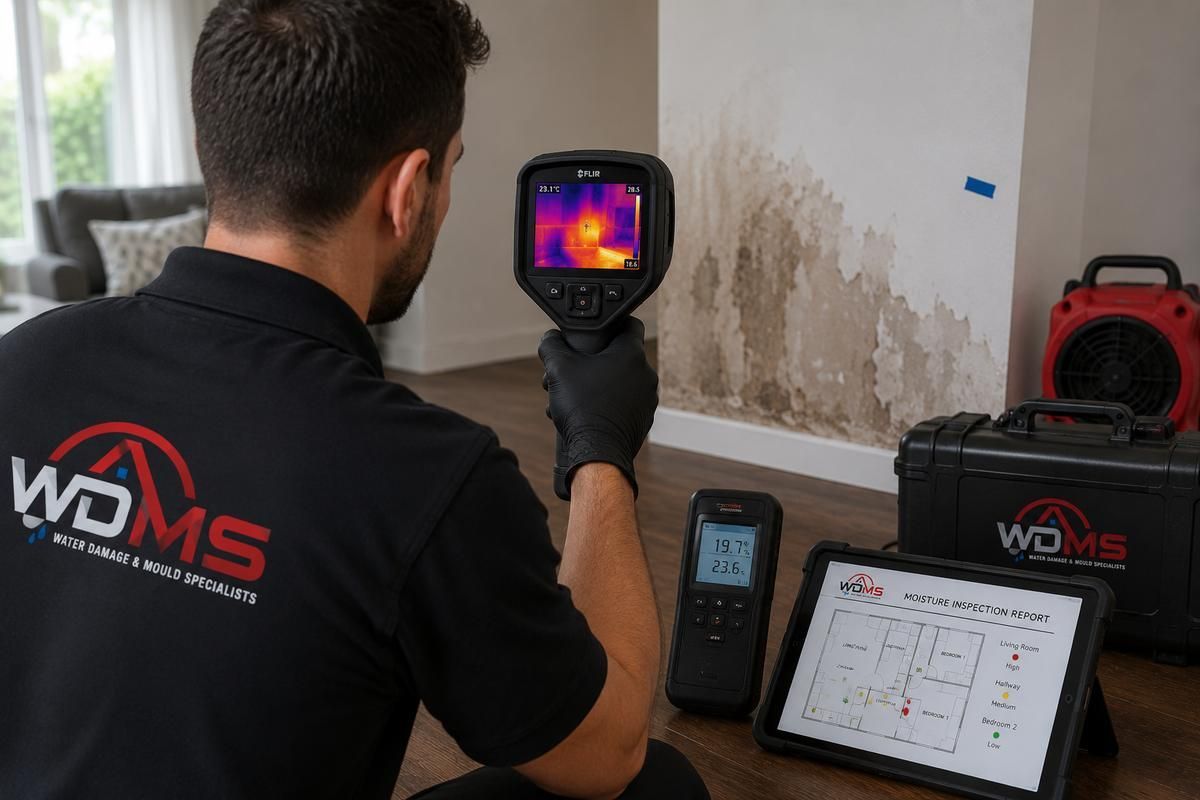
A free mould inspection comes with approved remediation work. Experienced technicians check for visible mould, damp-affected areas, and hidden dampness, then explain the findings.
Water Damage Restoration
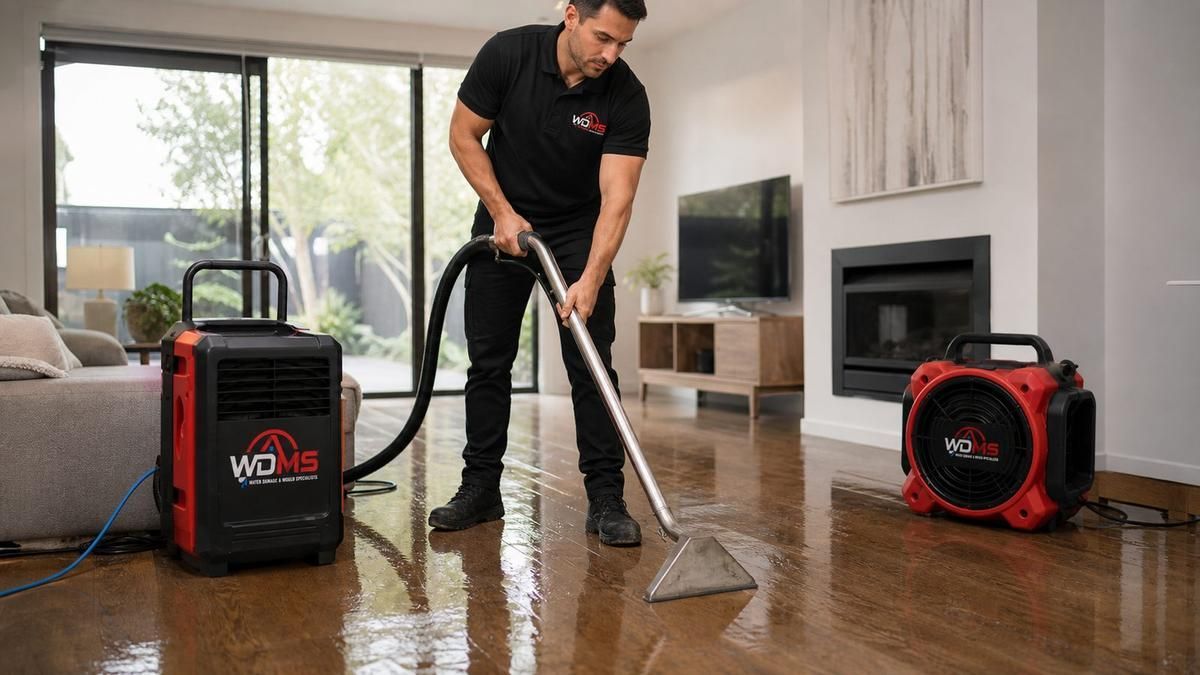
A burst pipe, storm-damaged roof, or slab leak calls for water damage restoration services: moisture assessment, water extraction, structural drying, and full documentation.
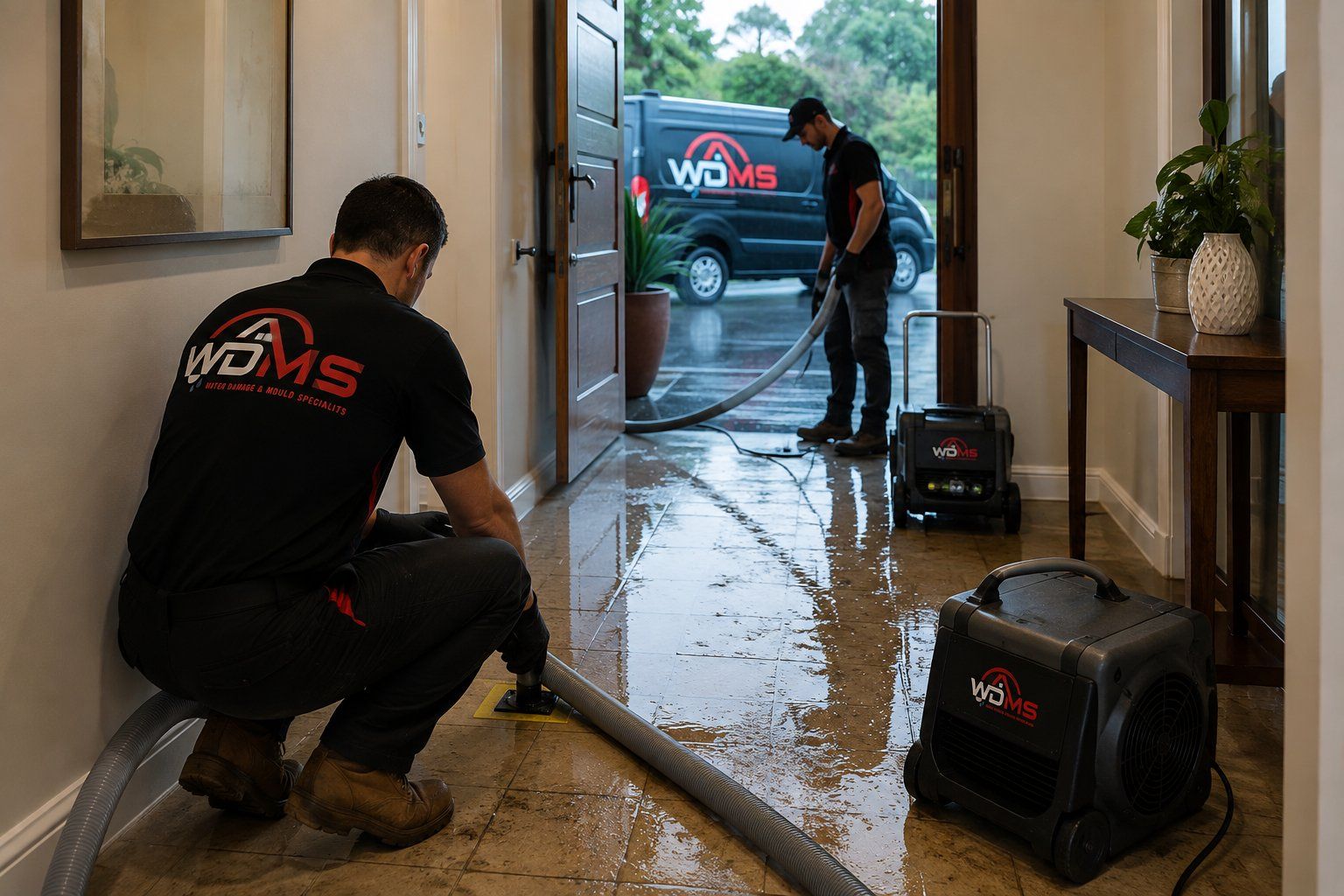
Flood Damage Restoration
After storm flooding, flash flooding, or a creek overflow, our flood restoration services clear the standing water, then controlled drying restores the structure.
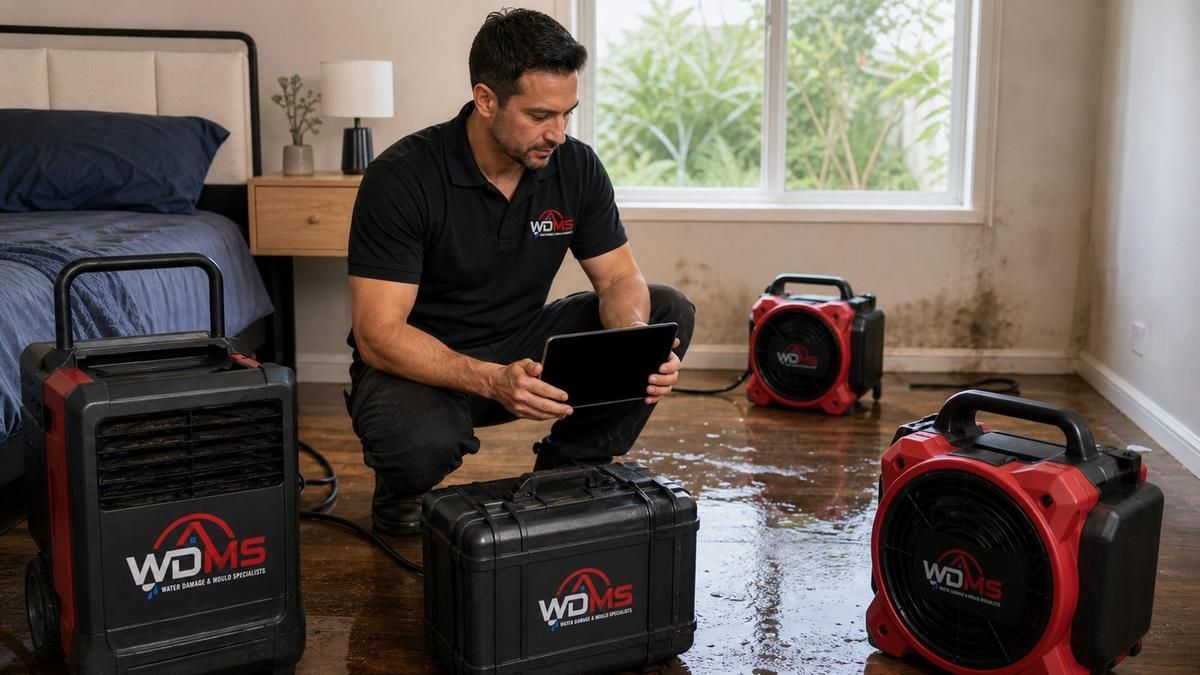
Emergency Water Extraction
The faster standing water comes out, the less it wrecks, so our extraction pulls it from carpets, floors, and subfloors, limiting further damage.
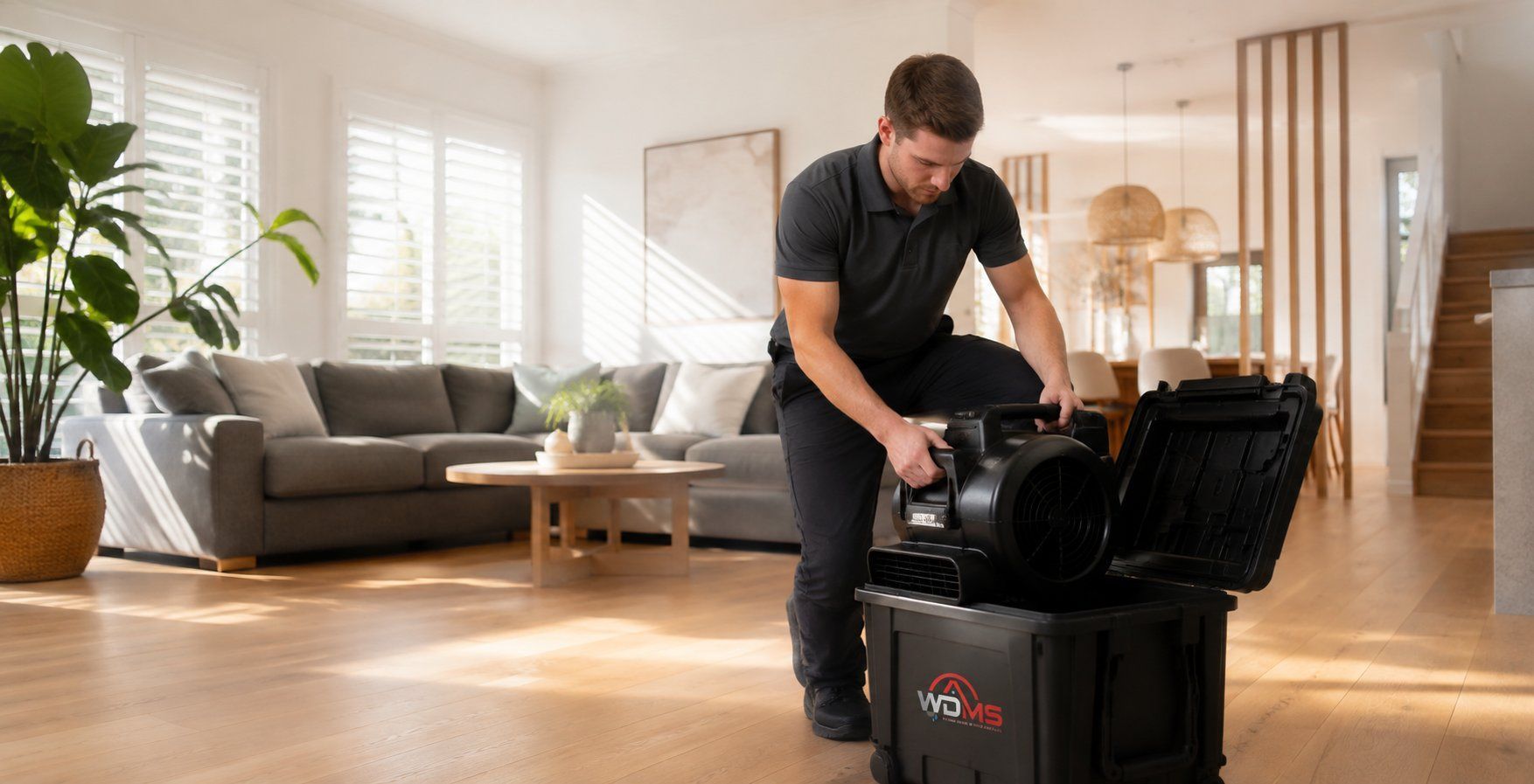
Structural Drying Services
Concrete slabs, timber, and plasterboard hold water differently, so our structural drying services pair air movers with dehumidifiers, guided by daily moisture readings.
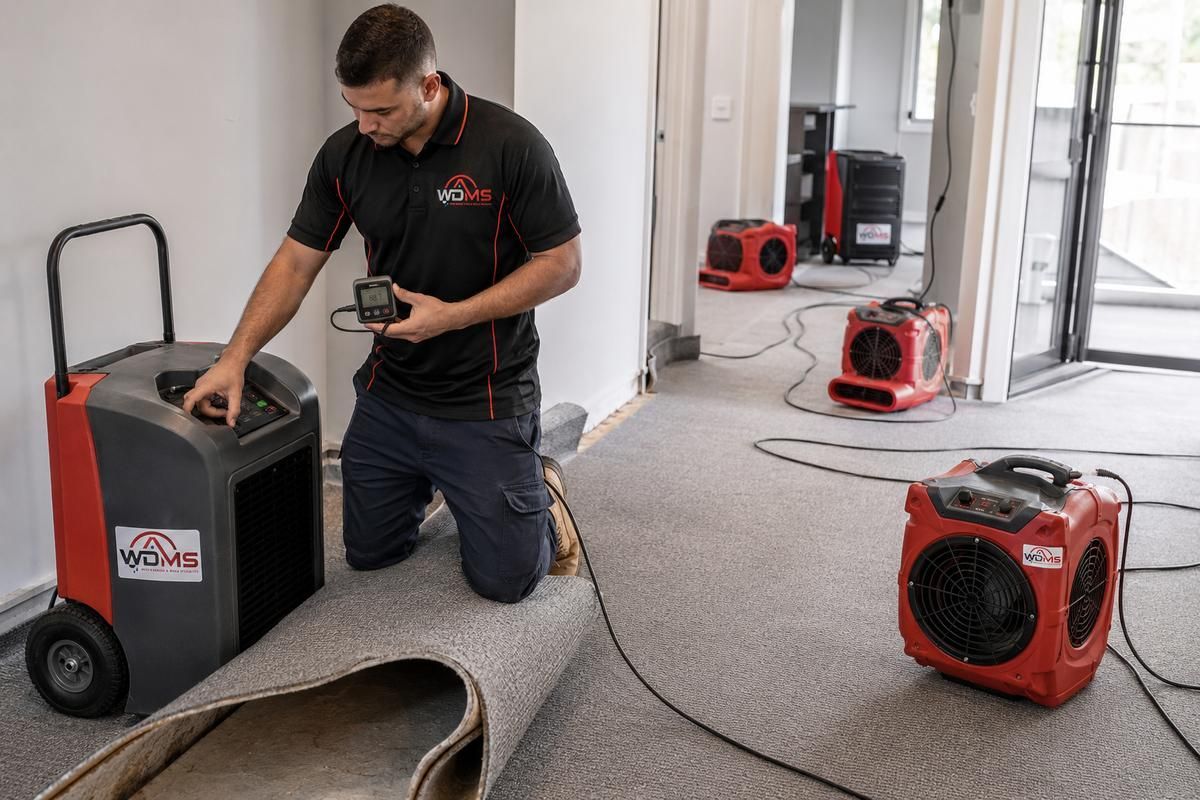
Wet Carpet Drying
Reached in time, soaked carpets and underlay are restored to their original condition, with water extraction, drying, and mould cleaning to finish.
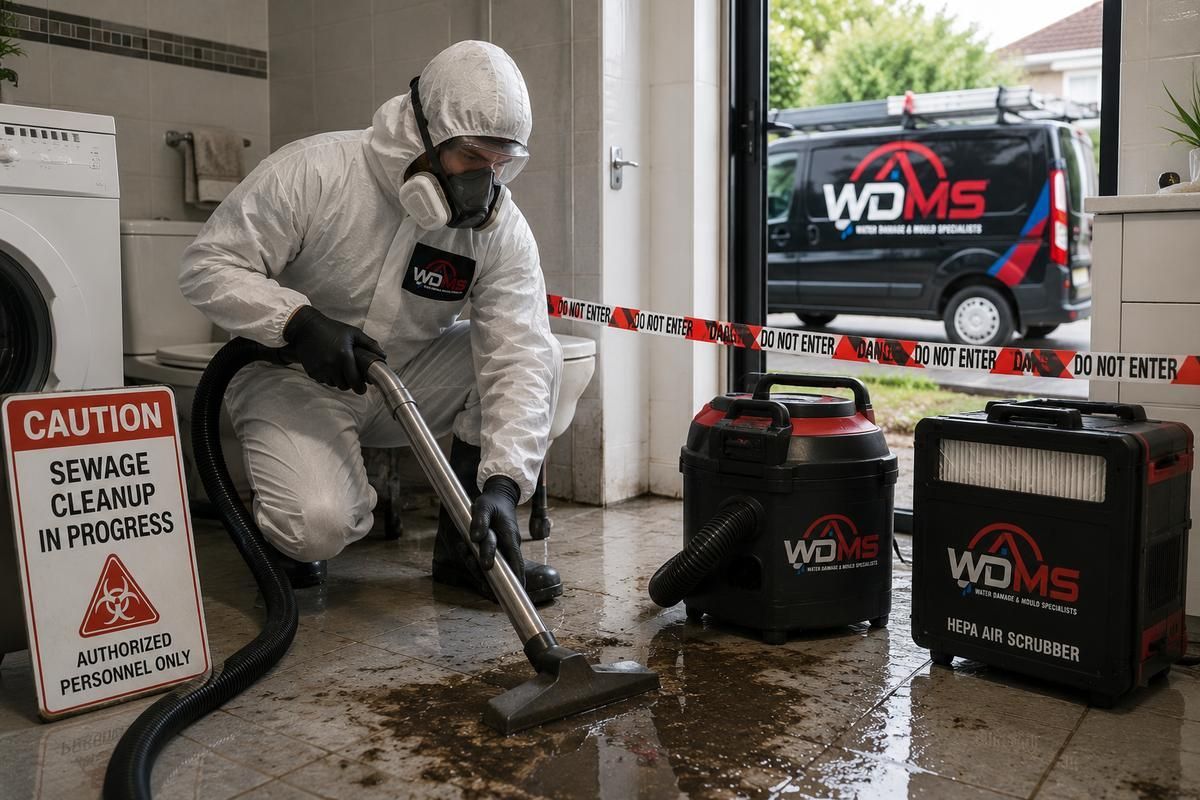
Sewage Damage Cleanup
Sewage and floodwater are hazards, not just water. Cleanup services cover extraction, cleaning, and sanitising, with materials treated or removed to stop future growth.
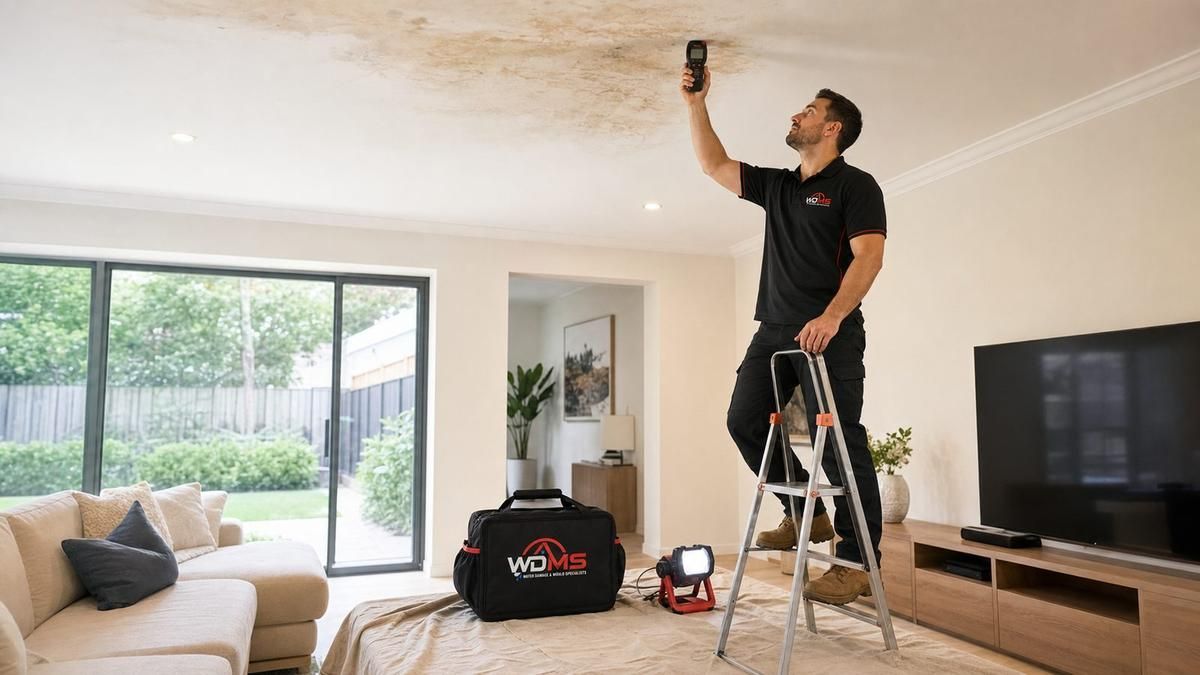
Commercial Water Damage Restoration
For a business, every closed day costs money, so our water damage restoration services keep shops, offices, and warehouses trading, with after-hours access.
Our Restoration Process Hills District
A good result comes down to method. Every Hills District callout follows the same six-step process, from a soaked Baulkham Hills bedroom to a flooded Norwest shopfront.
Step 01
Emergency Call and Initial Guidance
Your call is answered by someone trained, not a call centre. While the crew heads to your property, we talk you through the safety basics, cutting the power, isolating the appliance, and stopping the water where safe.
Step 02
Inspection and Moisture Mapping
Before the equipment comes out, we map it. Thermal imaging finds concealed moisture behind plaster and in the roof space, while moisture meters read timber, plasterboard, and carpets.
Step 03
Water Extraction and Damage Control
With the picture clear, we pull out the standing water with pumps and truck-mounted extractors, then protect the rest, stopping further damage to flooring.
Step 04
Structural Drying Setup
Next we set the drying going. Air movers, dehumidifiers, and cavity systems are placed for the materials and moisture readings on site, not a template.
Step 05
Daily Readings and Live Adjustments
Drying is not left to chance. We return for daily readings against the S500 standard, moving equipment wherever the numbers show moisture levels are still high.
Step 06
Final Assessment and Documentation
Only when every reading confirms the property is dry do we finish, cleaning and sanitising the affected areas, applying mould treatment where needed, and handing over photos, readings, and drying logs.
Professional Drying Equipment on Every Hills District Job
Household fans and a wet vacuum cannot fix real water damage. Saturated timber, wet plasterboard, and moisture in a cavity need restoration-grade equipment sized to the job. Here is what our crew brings to every callout.
- Industrial grade pumps that clear standing water from carpets, tiled floors, and subfloors
- Truck-mounted extractors that shift large volumes across homes and commercial sites in a single pass
- LGR dehumidifiers that pull stubborn moisture out of the region's humid, clay-influenced air
- Desiccant dehumidifiers for timber-heavy jobs and tight, hard-to-reach drying targets
- Commercial air movers that keep steady airflow across wet plaster, carpet, and open floors
- Injectidry cavity systems that push dry air behind walls and into subfloor voids
- Calibrated moisture meters that read timber, plasterboard, and concrete against S500 targets
- Thermal imaging cameras that reveal hidden moisture the naked eye would miss
- HEPA air scrubbers that filter airborne spores during mould removal and contaminated cleaning
- ULV foggers that apply antimicrobial mould treatment across the affected areas
Every unit is chosen for the reading it must shift, and its runtime is logged.
Hills District Coverage for Every Property Type
Across the Hills, our service areas cover every home, from brick-veneer houses in Baulkham Hills and Castle Hill to 1990s estates and new builds in Rouse Hill, plus flood-prone creek streets, each with its moisture issues our restoration services in Sydney's Hills District handle.

Homes and Family Residences
Homes still have to run while they dry, so across Castle Hill, Kellyville, and Baulkham Hills our experienced team stages the work to keep kitchens usable and children and pets clear.
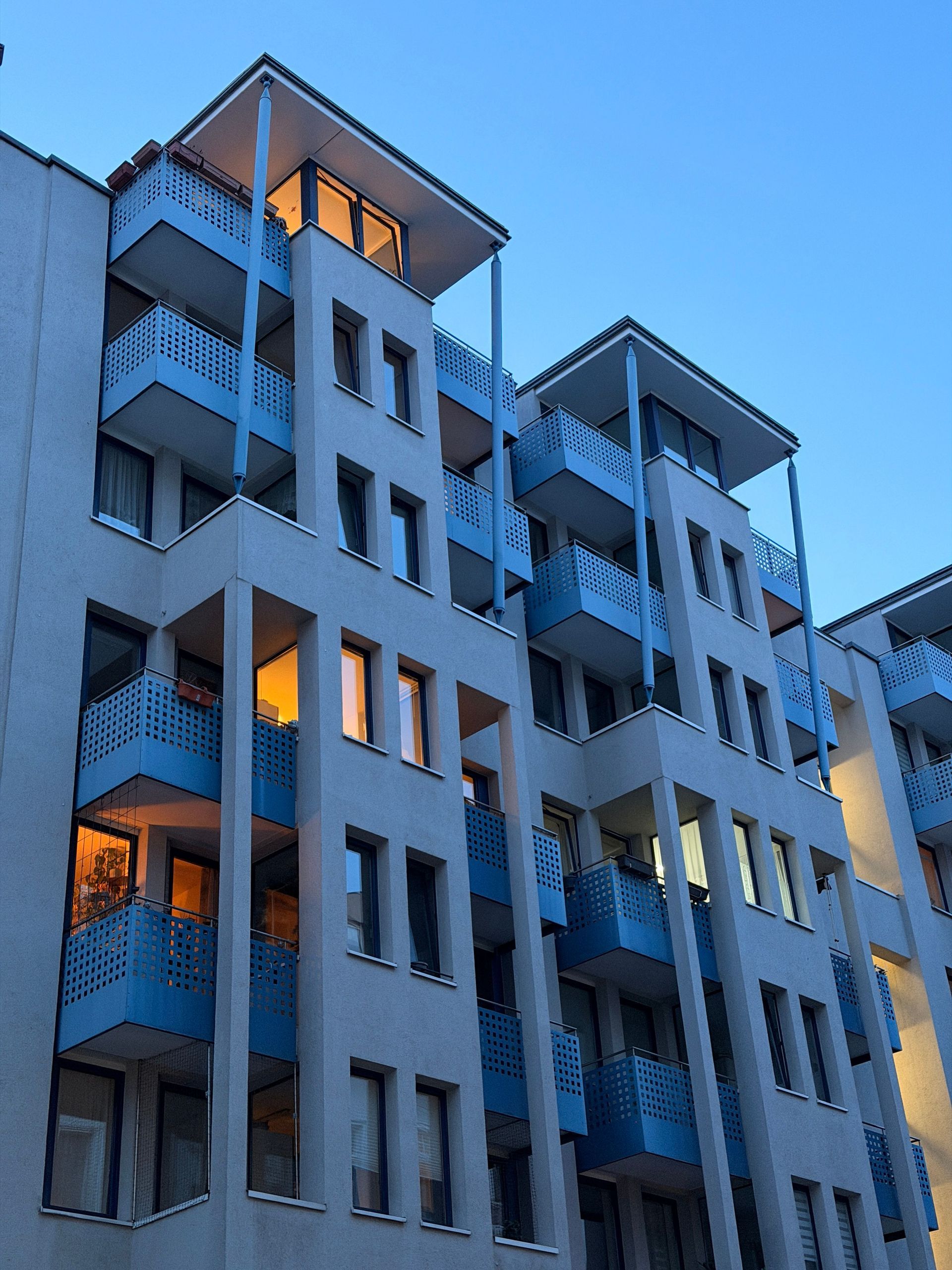
Apartments and Strata Blocks
Strata and townhouses run smoothly only when everyone stays informed. Across Norwest, Bella Vista, and Castle Hill we coordinate with owners, tenants, and managers, backed by dated readings.

Slab-on-Ground and Older Homes
On 1990s Wianamatta clay, homes hit the slab-leak window as pipework ages and burst pipes appear. We trace moisture, protect the property's structure, and dry cavities.

Commercial and Retail Properties
For a business, every closed day costs money, so we stage water damage restoration services around trading hours, with screened zones and after-hours access.

Rental and Managed Properties
Property managers answer to owners, tenants, and insurers at once, so we keep the paperwork simple, one file of time-stamped photos, moisture logs, and a clear scope, no chasing.
24/7 Water Damage Restoration & Mould Remediation Sydney
Fast, professional help for floods, burst pipes, hidden moisture and mould. We provide emergency water extraction, moisture-monitored structural drying and professional mould remediation for residential and commercial properties across Sydney.
We Make Hills District Insurance Claims Easier
Most water damage claims stall on paperwork, not on cover. Our experienced team builds your water damage restoration file as the job runs, so your insurer or loss adjuster gets it in one place, and where authorised, we assist them directly.
- Insurance-ready documentation formatted the way Australian insurers expect
- Dated photographs of every affected area
- Sequential moisture meter readings across floors, cavities, and carpets
- Daily drying logs signed off by certified technicians
- A written scope of work aligned to the AS/IICRC S500 standard
- Direct contact with your insurer or loss adjuster whenever you need it
Frequently Asked Questions (FAQs)
Can you remediate mould yourself?
A small patch under a square metre on a hard, non-porous surface can usually be handled yourself with white vinegar and good protective gear. Anything larger, anything on porous plasterboard, or anything that keeps returning needs professional mould removal, with the containment, HEPA filtration, and moisture-source correction that household methods cannot manage.
How do you know if your house has toxic mould?
The usual signs are a musty smell that lingers, dark patches on walls or ceilings, condensation on the windows, and symptoms like a cough or blocked nose that ease once you leave. Confirming whether it is genuinely toxic needs a professional mould inspection with air-quality testing, backed by moisture readings across the affected areas.
How do you get rid of mould permanently?
Mould goes for good only once the moisture behind it is fixed, not just the surface stain. Mould removal traces the source, whether a leak, condensation, or poor ventilation, then dries the structure and adds preventive measures so it stays mould free.
Is professional mould removal worth it?
Beyond a small patch, yes. Larger affected areas, mould that keeps returning, and homes with children or vulnerable residents warrant it. Professional removal handles the health risk, structural damage, and hit to property value at once, which is why insurers recommend it.
How do you remove mould yourself?
Wear a P2 mask and gloves, open the room for ventilation, and wipe with a damp cloth rather than scrubbing dry, which sends spores into the air. White vinegar works well on hard surfaces, but bleach does not suit porous ones. If the patch is larger than a square metre or returns after cleaning, stop and call a professional mould removal company.
What permanently kills mould?
Nothing off the shelf kills mould for good, because mould is a moisture problem in disguise. Treatment clears what is there now, but lasting results come from fixing the cause: repairing leaks and keeping humidity down so the treated area stays dry.
How do you get rid of black mould?
Black mould is best left to professionals because of the health risk. We start with a mould inspection, then containment, HEPA filtration, mould removal and mould cleaning, an eco-friendly treatment, drying, and correcting the source so the treated area stays clear. In a bathroom, ceiling, or wall cavity, it is not a safe DIY job.
How long does mould removal take?
Timelines run from a few hours to a couple of days, depending on how far the mould has spread, the affected areas, and whether structural drying is needed. Larger commercial jobs take longer, with a timeframe after the inspection.
How much does mould remediation cost in the Hills District?
It depends on the size of the affected area, where the mould is, and whether extras like air-quality testing or extra drying services are involved. Every quote follows a proper inspection, so the price reflects the real work, with nothing hidden.
Need Water Damage or Mould Sorted Fast Across the Hills District?
Whether it is a storm-damaged roof, standing water, damp plaster, or visible mould growth, the answer is the same, a certified team on site fast. Our IICRC-trained technicians handle water extraction, mould inspections, and full professional mould remediation services in Sydney's Hills District.
The WDMS Standard on Every Hills District Job
✔ IICRC-Certified Water Damage Restoration Technicians
✔ 24/7 Emergency Response Across the Hills District
✔ Free Moisture Assessment With Approved Work
✔ Insurance-Ready Reports Trusted by Australian Insurers
✔ Advanced Drying Equipment That Delivers Lasting Results
✔ Residential, Strata, and Commercial Properties Covered
Save the Property. Beat the Mould. Book WDMS.
Send us a few photos and a note on what happened, and we call you back with a plan and a crew on the way. The sooner you contact us, the more of your property we can restore, and the smoother your claim.
24/7 Emergency Response · IICRC-Certified Technician · Free Moisture Assessment · Insurance-Ready Reporting