Commercial Water Damage Restoration Services Sydney
Commercial water damage does not wait for business hours. A burst pipe on a Friday night, a rooftop leak through a Sydney storm, or a sprinkler failure across a retail floor can shut trading down before the first customer arrives on Monday. Water Damage & Mould Specialists delivers commercial water damage restoration services across Sydney for offices, retail stores, warehouses, hotels and strata blocks that need the job done properly, documented properly, and finished fast.
IICRC-Certified Water Damage Restoration Technician
24/7 Emergency Response Across Sydney
Advanced Moisture Detection and Structural Drying Equipment
Coverage for Office Buildings, Retail Spaces, Warehouses & Strata
Free Moisture Assessment On Approved Work
Insurance-Ready Reports Trusted by Major Australian Insurers
Rapid Response. Monitored Drying. Insurance Documentation
IICRC-Certified Water Damage Restoration Technician
24/7 Emergency Response Across Sydney
Hospital-Grade Disinfectants & Full PPE Compliance
AS-IICRC S500 Compliant Cleanup Process
Free Moisture Assessment On Approved Work
Insurance-Ready Documentation Trusted By Major Australian Insurers
Sydney's Standards-First Commercial Water Damage Team
Ask any Sydney facility manager who has been through a serious water event, and the story usually ends the same way. The first crew responded fast, the extraction looked thorough, and the invoice felt fair. Two months later, a musty smell drifts through the boardroom, paint lifts near the skirting, and a moisture reading behind reception comes back higher than the day the leak was reported.
Water Damage & Mould Specialists runs the job differently. Every commercial site is led by an IICRC-certified Water Damage Restoration Technician working to the AS/IICRC S500 standard, which is the same framework Australian insurers use to assess a claim. Thermal imaging maps the affected areas before a single air mover switches on, and calibrated moisture meters back the drying decisions from day one to final sign-off.
This certified approach covers high-rise offices in the CBD,
retail spaces across Parramatta, warehouses through Silverwater, strata blocks, hotels and schools right across the
Sydney metro.
GET AN INSTANT FREE QUOTE!
Contact Us
We will get back to you as soon as possible.
Please try again later.
The First 24 Hours Decide What Your Commercial Water Damage Actually Costs
The final invoice is usually decided in the first day, long before drying ends. Water spreads faster inside a commercial building than most operators expect. It follows service penetrations, tracks along steel framing, and settles into insulation where nothing above the surface gives it away. By the time housekeeping mops up the visible puddle, moisture is already migrating through parts of the building nobody has opened up.
That is where the real damage sits. Suspended ceiling tiles sag and stain. Vinyl and epoxy floors lift off the substrate. Timber framing swells within hours, and mould can start colonising damp materials inside 24 to 48 hours.
Sydney adds its own pressures. East Coast Lows overwhelm rooftop drainage. Ageing pipework across the CBD lifts burst pipe risk. Once water is inside the building, only response speed controls the final figure. Insurance assessors also move faster through files that arrive with dated photos and
moisture readings attached.
Commercial Water Damage Spreading Through Your Property?
Let's Contain It Before It Costs You Trading Days.
Get Sydney's certified commercial restoration team on site with the professional equipment, the readings and the reports your insurer expects.
Why Choose WDMS For Commercial Water Damage Restoration
Commercial water damage looks straightforward from the outside. Extract the water, run the fans, send the invoice. The hard part sits underneath, and it decides whether your building actually recovers or just looks recovered. Here is how our commercial jobs are built differently from the ground up.
AS/IICRC S500 Certified Process
Sydney has no shortage of restoration crews working to their own internal method. Ours is the AS/IICRC S500 standard, the technical benchmark Australian insurers reference when they audit a claim. The assessment, drying targets, equipment logic and final documentation all follow a framework a loss adjuster already knows.
Data-Driven Drying Decisions
Commercial finishes hide moisture better than almost any residential surface. Vinyl plank looks dry within hours. Sealed concrete reads dry at the surface for days. Our technicians pull actual numbers from timber, plasterboard and concrete slabs with calibrated moisture meters, so the drying decisions on your site are based on data.
Thermal Imaging & Moisture Mapping
Thermal imaging shows moisture inside wall cavities, above ceilings and beneath raised floors without cutting anything open. That means we know where the drying setup needs to go before we deploy a single air mover, and your finishes stay intact wherever the readings allow.
Restoration-Grade Advanced Equipment
Our vans arrive loaded with high-vacuum extractors, industrial air movers, commercial dehumidifiers and specialist cavity drying systems. What gets deployed depends on the humidity, the affected materials and the moisture profile. A retail floor and a wet server room need different logic, and they get it.
Insurance-Ready on Handover
Most commercial claims stall on paperwork, not on coverage. Our handover pack is written in the same language a loss adjuster uses internally, with dated photos, moisture readings, daily drying logs and a written scope tied back to the S500 standard. Fewer follow-up questions, faster approvals.
Certified Fast Response, Any Hour
Plenty of Sydney operators advertise 24/7. Very few actually roll a certified crew on a Sunday night. Our vans stay stocked and stationed across the metro, so after-hours emergency calls reach someone who can be on your site inside the hour, not a message service.
Common Commercial Water Damage Problems We Fix
Sydney throws every kind of commercial water damage scenario at us. Some events shut down trading within minutes. Others sit hidden above a ceiling or inside a wall cavity for weeks before anyone spots the stain. Here is what our team handles most often across offices, retail spaces, warehouses and strata blocks.
Burst Pipes
Flooding office floors and plant rooms fast.
Storm & Flood Damage
East Coast Lows and heavy Sydney downpours.
Sprinkler & HVAC Failures
Chilled-water leaks and accidental sprinkler discharge.
Commercial Kitchen Overflows
Dishwashers, ice machines and hot water leaks.
Sewage Backups
Category 3 events needing controlled removal.
Carpark & Basement Flooding
Stormwater through docks and lower-ground rooms.
Hidden Moisture in Wall Cavities
Trapped behind walls and above ceilings.
Wet Carpet & Subfloor Saturation
Moisture spreading deep under commercial flooring.
Choose the Commercial Water Damage Restoration Package That Fits Your Site
Commercial water damage jobs come in three shapes across Sydney. A fresh burst pipe in a small office, a full multi-room dry-out across a retail centre, and a coordinated multi-zone site each need a different crew size, kit load and timeline. Every package below runs on the same certified process, matched to the damage sitting in front of us.
Urgent Response
Rapid Emergency Water Damage Restoration
For fresh commercial water damage where the drying curve needs to start today. Focus stays on halting moisture spread, safeguarding contents and locking in the drying setup fast.
- Certified specialist on site fast
- Immediate moisture mapping
- Rapid water extraction
- Air movers deployed same visit
- Thermal imaging readings logged
- Photo record for insurance claims
Best for burst pipes, ceiling leaks and fresh flood damage.
Full Package
Complete Monitored Full Restoration
Our most-booked commercial scope. Runs the full water damage restoration process with daily moisture readings, mould prevention and insurance support from first setup to final handover.
- Full water extraction and monitoring
- Daily moisture readings tracked
- Wall cavity and subfloor drying
- Antimicrobial treatment to prevent mould
- Post-drying safety check and clearance
- Insurance-ready documentation pack
Best for small-to-medium commercial properties.
Site-Wide Response
Multi-Zone & Large-Loss Commercial Restoration
Coordinated commercial restoration for multi-room damage, strata blocks and large sites. Runs around trading hours where scheduling allows.
- Multi-zone project management
- Heavy-capacity dehumidifiers deployed
- High-velocity air movers on rotation
- Staged drying zones for continuity
- Direct liaison with loss adjusters
- Full commercial documentation
Best for office buildings, retail stores, warehouses and strata claims with tight timelines.
A word on pricing:
Every commercial job carries its own variables. The size of affected areas, contamination level, extent of moisture migration and depth of secondary damage all shift the number. Every quote follows an on-site moisture assessment, so the invoice matches the actual restoration scope.
Inside a WDMS Commercial Restoration Job: What Actually Happens on Site
Most commercial water damage jobs go sideways in the same places. A missed reading. A drying setup based on how the floor looks. A handover file that raises more questions than it answers. Our process closes each gap in order.
Step 01
The First Call
Your call reaches a certified technician, not a script. Within minutes we know the water source, building type and standing water level, brief you on shutting off electricity and protecting stock, and dispatch the closest van.
Step 02
On-Site Diagnosis
On arrival, the technician confirms the water source and flags electrical, chemical or contamination hazards. Thermal imaging and moisture readings map how far the damage has already travelled, including areas that still look completely untouched.
Step 03
Water Out First
Every drying decision depends on getting free-standing water off the site first. Truck-mounted extractors handle volume across concrete slabs, carpeted floors and subfloor cavities, while specialist pumps clear raised floor voids and ceiling cavities.
Step 04
Site-Specific Drying Plan
Every site gets a drying plan sized to the readings on the day. Airflow, dehumidifier placement and cavity drying zones are matched to the materials on site, whether acoustic ceiling tiles, engineered timber or sealed concrete.
Step 05
Daily Readings, Live Adjustments
From day two onward, our technicians take fresh moisture readings on every affected material and log the numbers against AS/IICRC S500 targets. Equipment moves where readings stall. Hidden moisture pockets get extra kit added.
Step 06
Verification & Sign-Off
Every affected material is verified dry against target readings before anything leaves site. Antimicrobial treatment covers surfaces that stayed damp long enough to raise mould risk. Your handover pack ships ready for the insurer.
What Rolls Off Our Trucks on a Commercial Callout
A commercial water event is not a job you can fix with retail-store fans and a wet vac. Saturated raised floors, wet insulation above suspended ceilings, and moisture trapped inside sealed slabs need equipment built for the volume. What sits on our vans is chosen for exactly that reason.
- Truck-mounted extraction units shifting hundreds of litres an hour off retail floors, warehouses and basement plant rooms
- Submersible pumps handling deep standing water in carparks, lift pits and lower-ground loading docks
- Industrial LGR dehumidifiers built for large commercial volumes where standard units stall out
- Desiccant dehumidifiers brought in for cold spaces, timber-heavy areas and low-humidity drying targets
- Axial and centrifugal air movers matched to airflow needs across open floorplates and tight cavities
- Injectidry cavity drying systems pushing dry air directly into wall spaces, subfloors and ceiling voids
- Tramex and pin-type moisture meters calibrated for timber, plasterboard, gyprock and concrete
- Thermal imaging cameras locating hidden moisture across ceilings, walls and floors without cutting anything open
- HEPA-filtered air scrubbers deployed on Category 3 contamination and mould-affected zones
Nothing on this list is generic. Every unit is chosen for the reading it needs to move, and every hour it runs shows up on the drying log with a technician's initials against it.
Sydney-Wide Coverage For Every Commercial Property Type
Commercial water damage does not respect suburbs or sectors. Our team works across every corner of the Sydney metro, and every commercial property type comes with its own restoration logic. Here is how we handle the ones we see most.
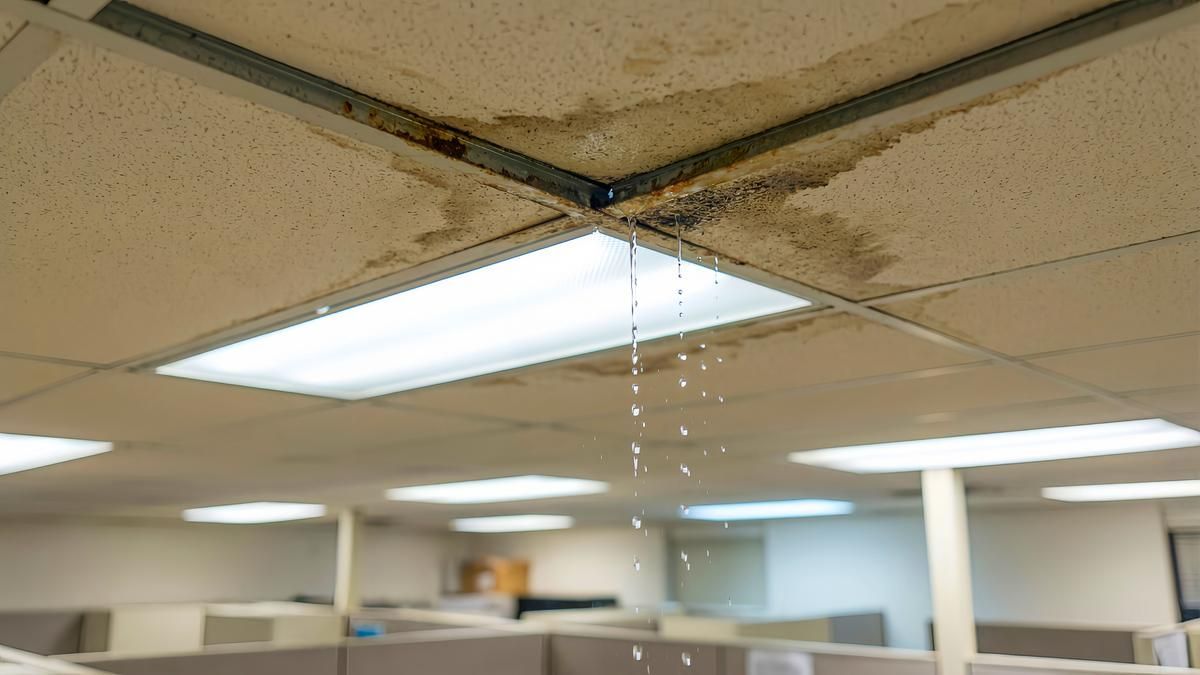
Office Towers & Corporate Fitouts
CBD high-rises, North Sydney office blocks and Parramatta corporate floors need after-hours access, tenant coordination and quiet drying setups that keep neighbouring tenancies working through the recovery.

Retail Stores & Shopping Centres
Bondi Junction, Chatswood, Westfields and high-street retail need staged drying around trading hours, screened work zones and stock protection so the shopfront stays open and customer flow keeps moving.
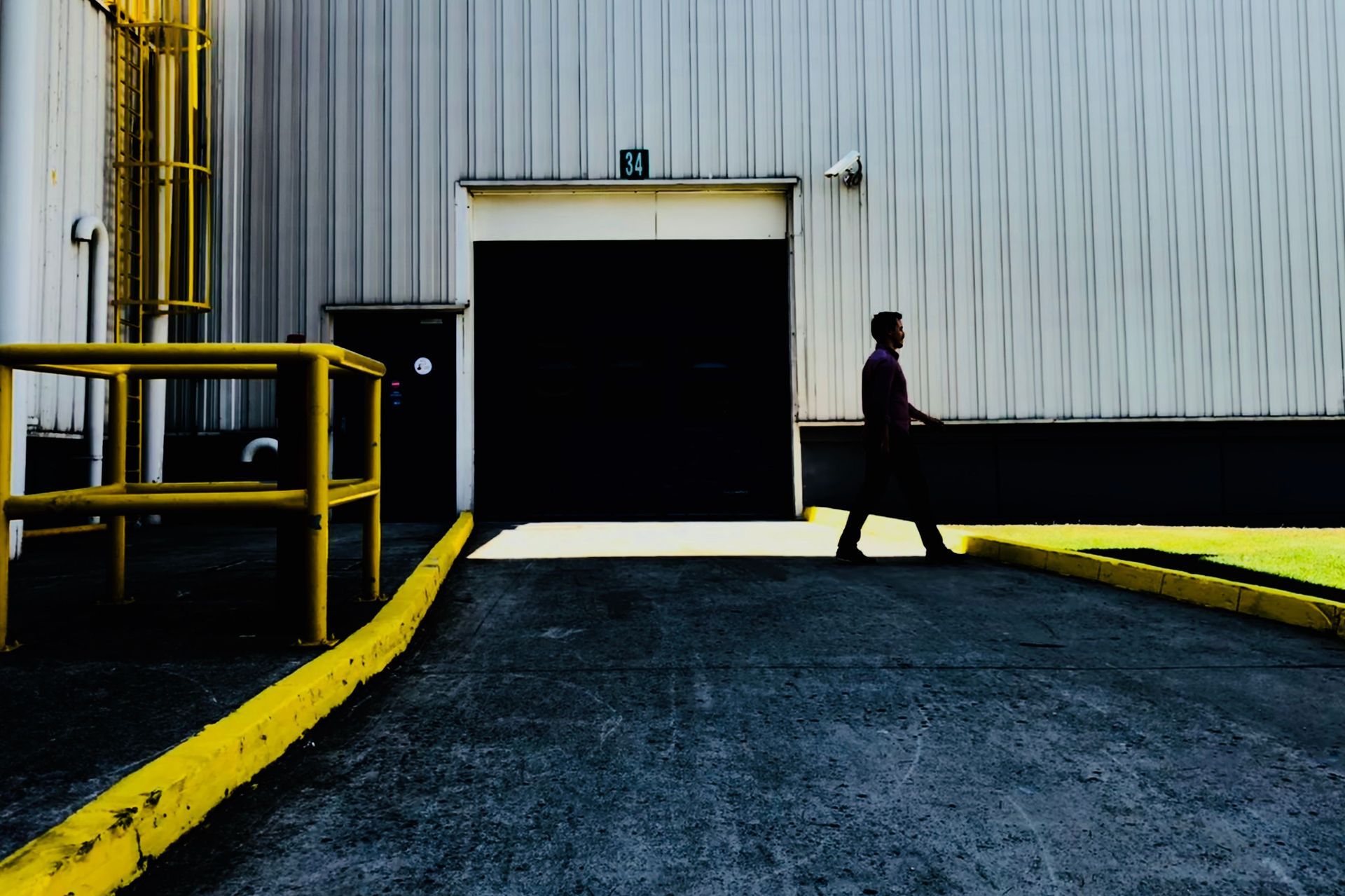
Warehouses & Distribution Centres
Silverwater, Eastern Creek and Western Sydney logistics sites need volume extraction, racking-safe drying zones and coordination with forklift operations so distribution keeps moving through the restoration window.
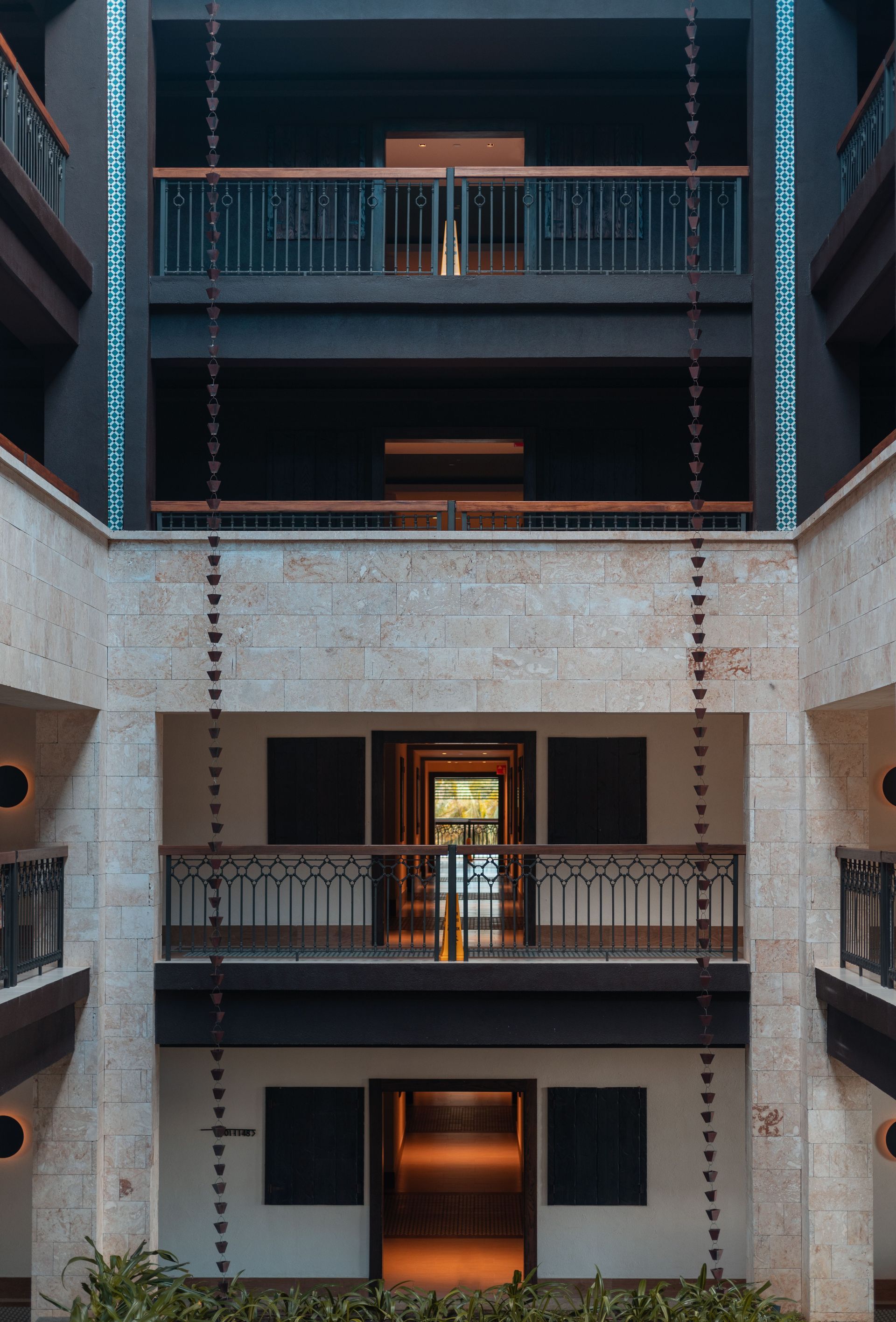
Hotels & Hospitality Venues
CBD hotels, boutique venues and hospitality kitchens need room-by-room access, guest-experience protection and discreet equipment placement, with drying scheduled around bookings and functions wherever the timeline allows.
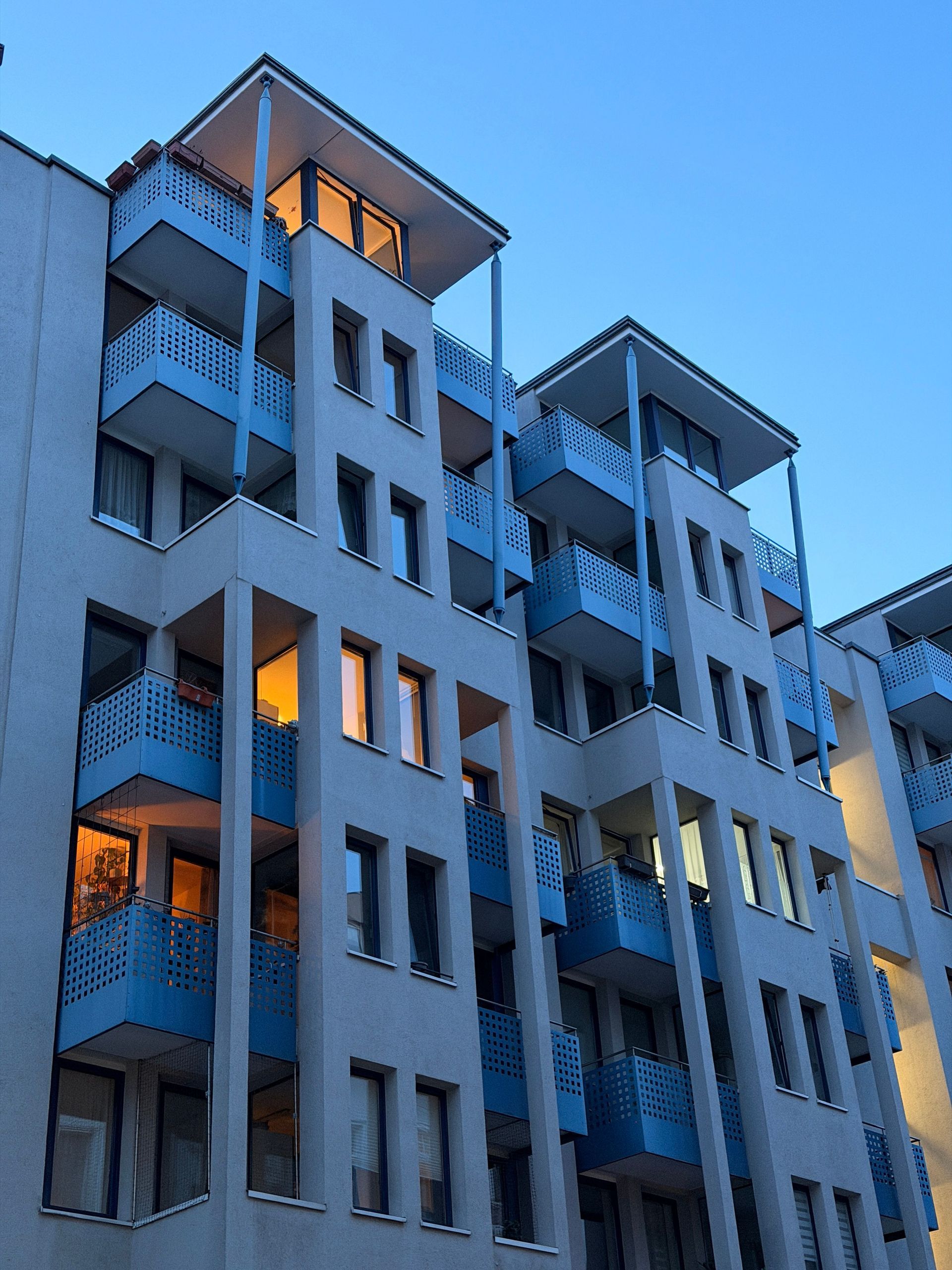
Strata Blocks & Mixed-Use Buildings
Inner West apartments, Eastern Suburbs strata and mixed-use towers need clear communication across owners, tenants, strata managers and insurers, backed by dated readings and drying logs that keep responsibility on real data.
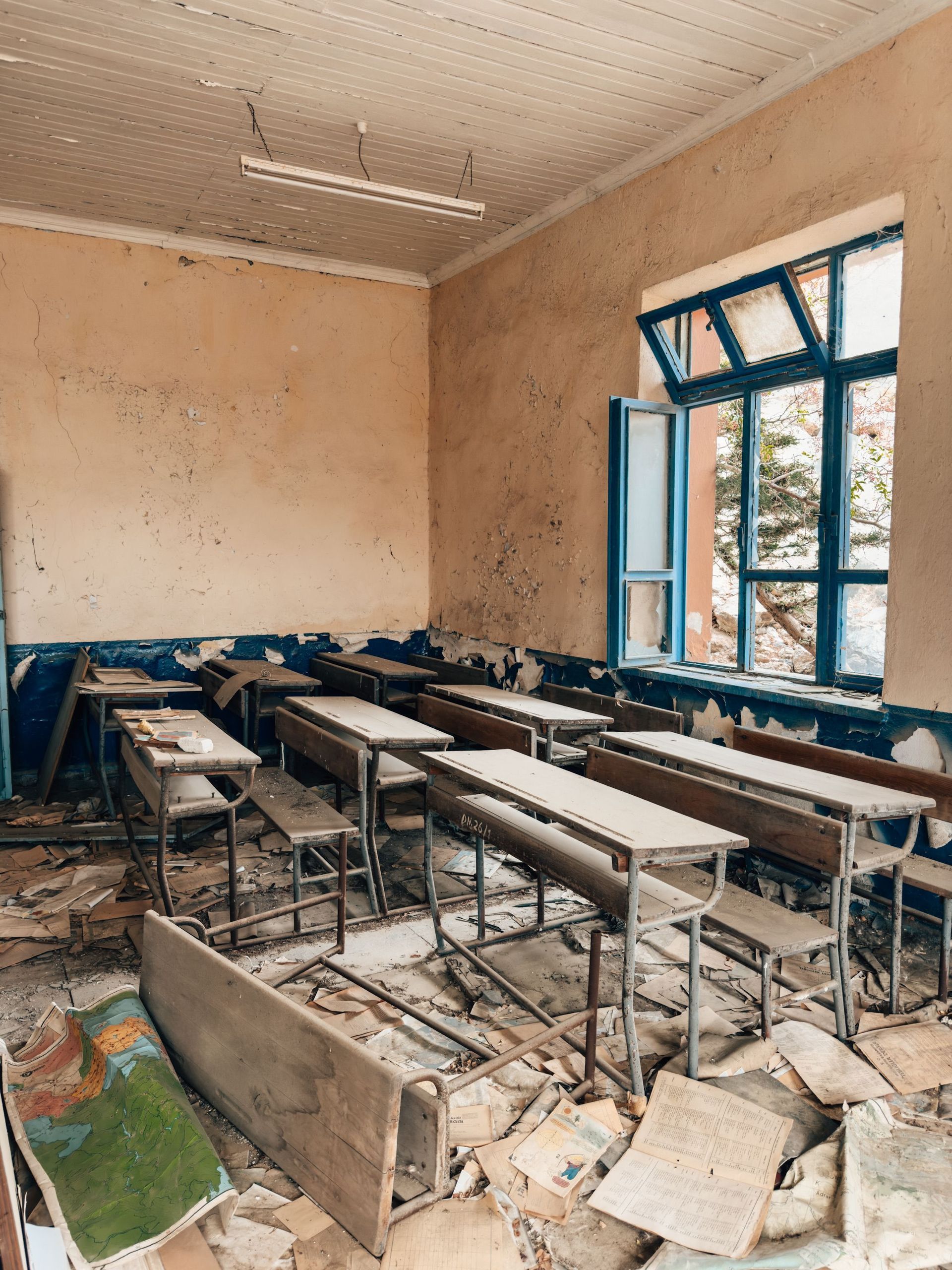
Schools, Childcare & Aged Care
Sensitive occupancies across Greater Sydney need HEPA-filtered containment, controlled access, and drying schedules built around teaching hours, care routines and duty-of-care requirements for occupants on site.
Claim-Ready Commercial Restoration, Backed by Real Documentation
Insurance claims do not stall because the damage caused was too big. They stall because the file could not answer the questions on the desk. A handful of blurry photos and a rough estimate raises more questions than it settles, and every question adds a day to your payout.
We build the file differently from the moment we walk in. Every room gets its own moisture log. Thermal scans back up what a photo alone cannot prove. Equipment placement is recorded as it happens, not reconstructed afterward from memory. So when the drying is done, the paperwork is done with it.
This is what separates a commercial claim that moves from one that sits in a queue. Whether the file lands with a loss adjuster, a broker or a strata manager, it speaks their language from page one. Where authorised, our team liaises directly with the insurer, cutting out the back-and-forth that usually eats weeks. Coverage remains a policy question. Documentation remains ours to solve, and it usually delivers a smoother claim and real peace of mind for the business behind it.
Mould Remediation Sydney: Common Questions
Can you remediate mould yourself?
For small patches under one square metre on non-porous surfaces, careful DIY mould removal is possible using natural agents like white vinegar and proper protective gear. Beyond that, professional mould removal is highly recommended. Larger mould infestations, porous surfaces like plasterboard, and any recurring mould problem need proper containment, HEPA filtration and moisture source correction, which household methods cannot safely provide.
How do you know if your house has toxic mould?
Common signs include dark patches on walls or ceilings, a persistent musty smell, condensation on windows, and health symptoms like coughs, allergies or a stuffy nose that clear when you leave the property. Confirming whether the mould is toxic requires a professional mould inspection with air quality analysis. We assess visible signs, take moisture readings, and identify the specific extent of the contamination.
How do you get rid of mould permanently?
Permanent removal means treating the moisture source, not just the surface. Effective mould remediation involves identifying and correcting where the moisture is coming from, whether that's a water leak, condensation, or inadequate ventilation. Physical removal, HEPA vacuuming, proper drying and prevention planning together aim for permanent removal lasting over 12 months.
Is mould remediation a good idea?
Yes, especially for any mould affected area larger than one square metre, mould that keeps returning, or households with children, elderly members, or anyone with compromised immune systems. Professional remediation addresses health risks, structural damage, and property value in one process, which is why property managers and insurers consistently recommend it.
How do you remove mould yourself?
For a small area, wear PPE including a P2 mask and gloves, ventilate the space, and use damp cloths rather than dry scrubbing so mould spores do not spread. White vinegar works on hard surfaces. Bleach is not suitable for porous surfaces. Dispose of contaminated cloths in a sealed bag. If the mould covers more than one square metre or returns after cleaning, stop and call a professional mould remediation company.
What permanently kills mould?
No single product permanently kills mould, because mould is a symptom of moisture. Antimicrobial treatments and HEPA vacuuming handle the immediate mould, but permanent removal requires correcting the moisture cause. Repairing affected areas, fixing plumbing leaks, improving ventilation, and keeping humidity below 60% are what actually stop mould returning long-term.
How do you get rid of black mould?
Black mould needs professional handling because of the health risks and structural spread. Our process starts with a mould inspection to confirm the extent, followed by full containment, HEPA air filtration, physical removal using eco-friendly treatments, structural drying and moisture source correction. For black mould in bathrooms, ceilings or wall cavities, DIY methods are not safe, and professional help is the right next step.
How long does mould remediation take?
Most residential mould remediation projects take a couple of hours to a couple of days, depending on the extent of the mould infestation, the size of the affected areas, and whether structural drying is required. Larger commercial jobs can take several days. Accurate timing follows the initial inspection report.
How much does mould remediation cost in Sydney?
Costs depend on the size of the mould affected area, the location of the mould growth, and whether specialised services like air quality analysis or structural drying are included. Every quote follows a detailed inspection so pricing reflects the actual scope. We provide transparent, written quotes with no hidden extras.
Ready to Restore Your Commercial Property Before Downtime Turns Into a Full Rebuild?
Every hour water sits is an hour closer to a bigger bill and a longer closure. Our certified team responds fast, dries thoroughly, and documents every reading your insurer needs to see. Certified process, correct professional equipment, evidence-based drying from the first call to the final signature.
The WDMS Standard for Commercial Water Damage Restoration
- IICRC-Certified Water Damage Restoration Technician
- 24/7 Emergency Response Across Sydney
- Free Moisture Assessment on Approved Work
- Insurance-Ready Reports Trusted by Major Australian Insurers
- Advanced Equipment That Ensures Complete Drying
- Trusted by Offices, Retail Stores, Warehouses and Strata Teams
The Sooner We Start, The Sooner You Trade Again
Send us photos of the damage. Tell us what has happened. We call you back with a plan and a certified team already on the move. The earlier you act, the more of your commercial property stays saveable, the shorter the drying time, and the smoother the insurance side runs.
24/7 Emergency Response · IICRC-Certified Technician · Free Moisture Assessment · Insurance-Ready Reporting