
premium Water Damage and Mould Remediation services in Rose Bay
Rose Bay homes sit close to the water, and that brings its own risks. A burst pipe, a heavy storm or a high tide can push water where it shouldn't be. Left alone, it soaks into floors and walls, and mould soon follows. Our
water damage and
mould remediation in Rose Bay stops a small leak from becoming costly repairs. An IICRC-certified technician checks every affected room with moisture meters and thermal imaging. We remove the water, dry the structure and treat any mould. You also get clear records for your insurer, strata manager or landlord.
IICRC-Certified Technician Leading Every Restoration
12-Month Warranty on Eligible Mould Remediation Work
Emergency Callouts 24 Hours a Day, 7 Days a Week
Free Moisture Assessment With Approved Restoration Work
Insurance-Ready Photos, Readings and Drying Records
Thermal Cameras and Commercial-Grade Drying Equipment
Rapid Response. Monitored Drying. Insurance Documentation Support.
IICRC-Certified Water Damage Restoration Technician
24/7 Emergency Response Across Sydney
Free Moisture Assessment on Approved Work
Insurance-Ready Reports Trusted by Australian Insurers
Advanced Drying Equipment and Thermal Imaging
Residential, Strata and Commercial Properties Covered
Local Restoration Team for Harbourside Homes in Rose Bay
Rose Bay wraps around a broad stretch of Sydney Harbour, with Lyne Park and the ferry wharf on the waterfront. The suburb is split between two councils. Woollahra looks after the harbour side, while Waverley covers the area east of Old South Head Road. Its streets mix grand harbourfront houses, sandstone landmarks and rows of 1930s walk-up flats. Flats and apartments make up almost seven in ten homes here.
Much of the lower land was once sand dunes, levelled in the 1920s for new streets. Most of the stormwater drains followed in the 1930s. Along the water, a seawall shapes how runoff reaches the bay. Heavy rain, high tides and storm surge can all bring water into homes.
Water Damage & Mould Specialists works right across Rose Bay, from the ferry wharf to the golf courses. Each job is led by an IICRC-certified technician following the AS/IICRC S500 Standard. You deal with one team, from the first call to the final drying report.
GET AN INSTANT FREE QUOTE!
Contact Us
We will get back to you as soon as possible.
Please try again later.
Why Homeowners Trust WDMS
Harbourside properties need more than a quick dry-out. These six standards guide every job we take on, whatever the size of the home.
IICRC S500 Drying Standard
We follow the AS/IICRC S500 Standard on every job. It is the benchmark Australian insurers use when reviewing water damage claims. It sets out how to inspect, extract, dry and confirm the results.
Calibrated Moisture Readings
Our technicians test timber, plaster, tiles and carpet with calibrated meters. Each reading is logged with a date and location. We only call a room dry when the readings agree, never by touch or appearance.
Thermal Imaging Inspections
Thermal cameras reveal damp behind walls, under floors and inside ceilings. That lets us carry out a full inspection without opening anything up. Most affected areas are mapped within fifteen minutes of arrival.
Restoration-Grade Dehumidifiers
LGR and desiccant dehumidifiers pull moisture from the air and from building materials. Air movers and HEPA scrubbers work alongside them. Together, they deliver
complete drying, even in large harbourside homes.
Documented Insurance Evidence
We provide detailed reports with photos, moisture logs and a written scope. Insurers and loss adjusters get the evidence they need in one file. As a result, claims tend to move faster.
Around-the-Clock Response
Water emergencies happen at night and on weekends too. A real person answers your call on the first ring, every time. Our stocked vans are ready to head to Rose Bay at any hour.
Fast Help for Burst Pipes and Stormwater
Water travels fast once it gets inside. In an apartment, it can reach the floor below within an hour. In a waterfront house, storm runoff or a king tide can flood a lower level quickly. Emergency water damage needs quick action, so act fast and call early. Prompt drying limits further damage and keeps repair bills down.
Immediate Safety Checklist
24/7 Emergency Response
Speak directly with a trained restoration specialist for clear guidance and rapid assistance.
Free emergency advice and insurance-ready documentation available with eligible restoration work.
what we do
Our Core Restoration Services
Each service below follows the same certified method, tailored to Rose Bay's houses, apartments and shops. Many jobs need two or three services working together. We can also help with fire damage restoration if your property needs it.
Additional Restoration Support
Alongside water damage restoration, structural drying and mould remediation, WDMS can also assist with fire and smoke damage restoration, including emergency make-safe work, soot removal, smoke-odour treatment and restoration documentation.
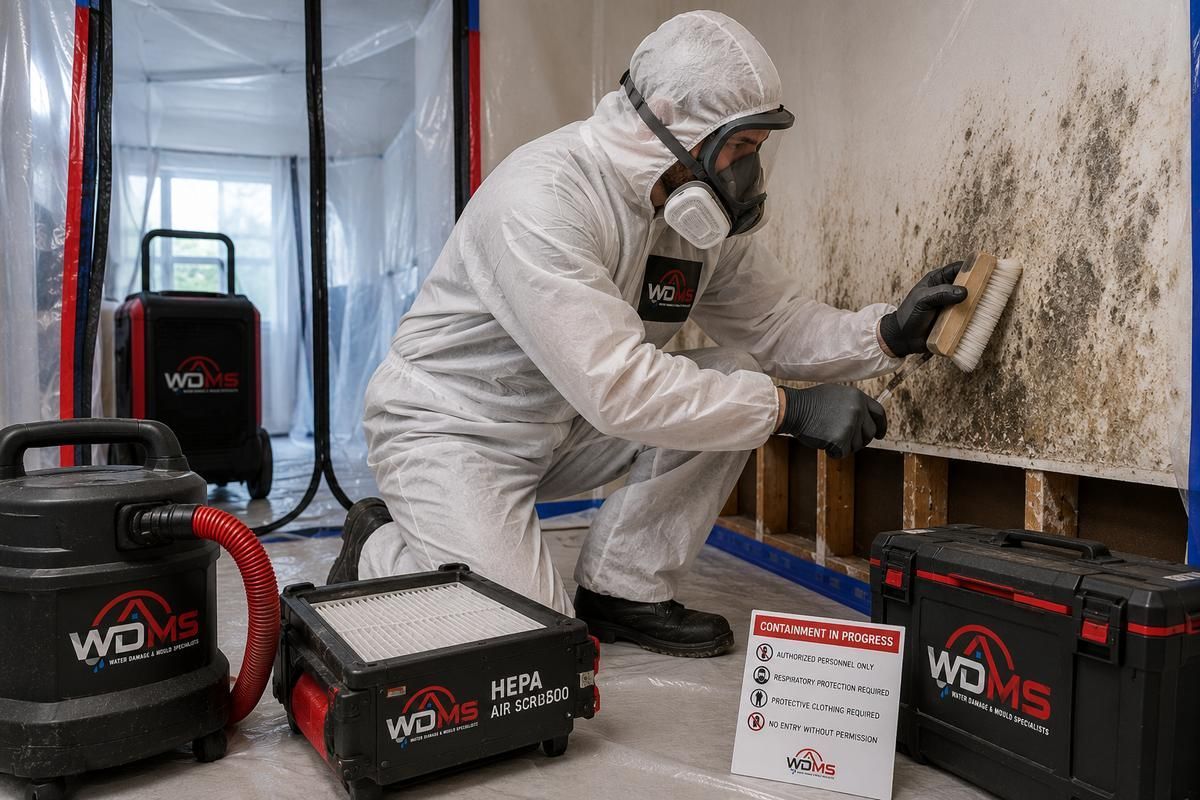
Mould Remediation
Our mould remediation process contains the area so mould spores don't spread. We remove growth with HEPA vacuuming, hand cleaning and eco-friendly products, then fix the moisture feeding it. Eligible jobs include a 12-month workmanship warranty against mould returning in the treated area.
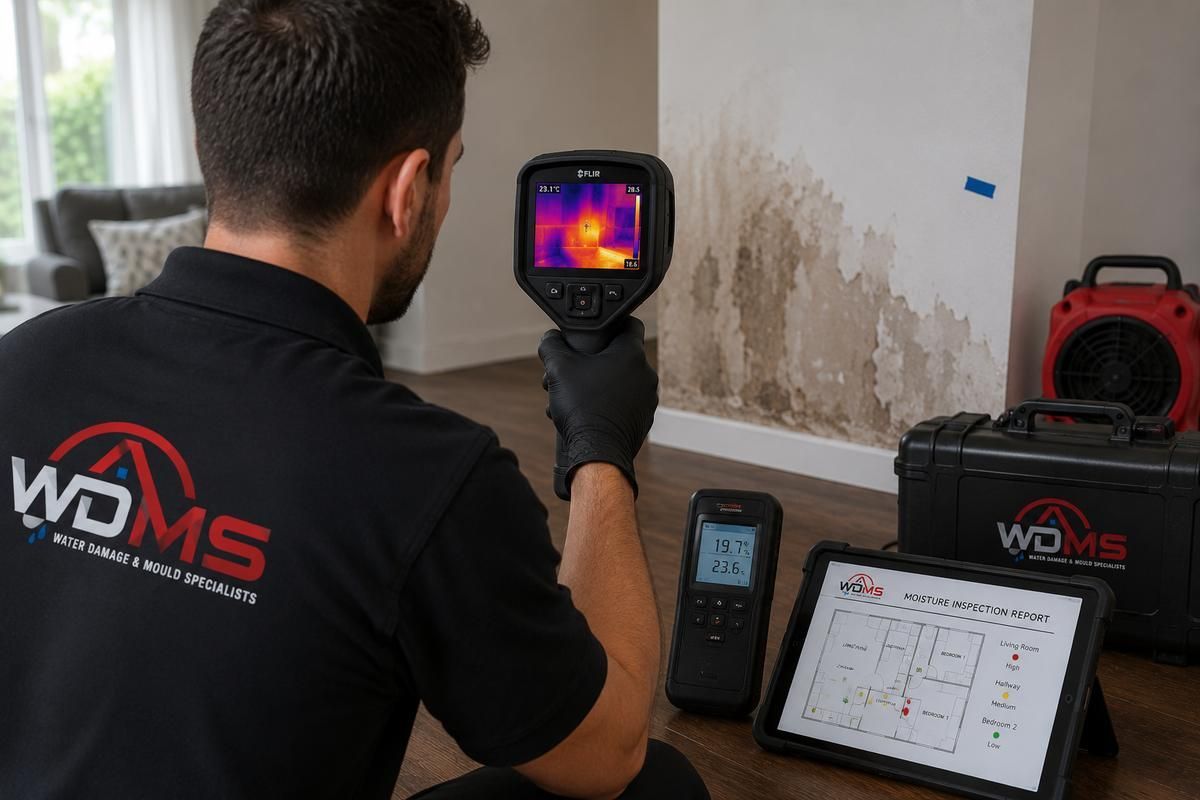
Mould Inspection and Testing
Mould inspections are free when you go ahead with eligible remediation work. We check walls, wardrobes, ceilings and bathrooms for visible mould and hidden damp. You get a clear explanation of any mould problems we find. We also outline the right next steps.
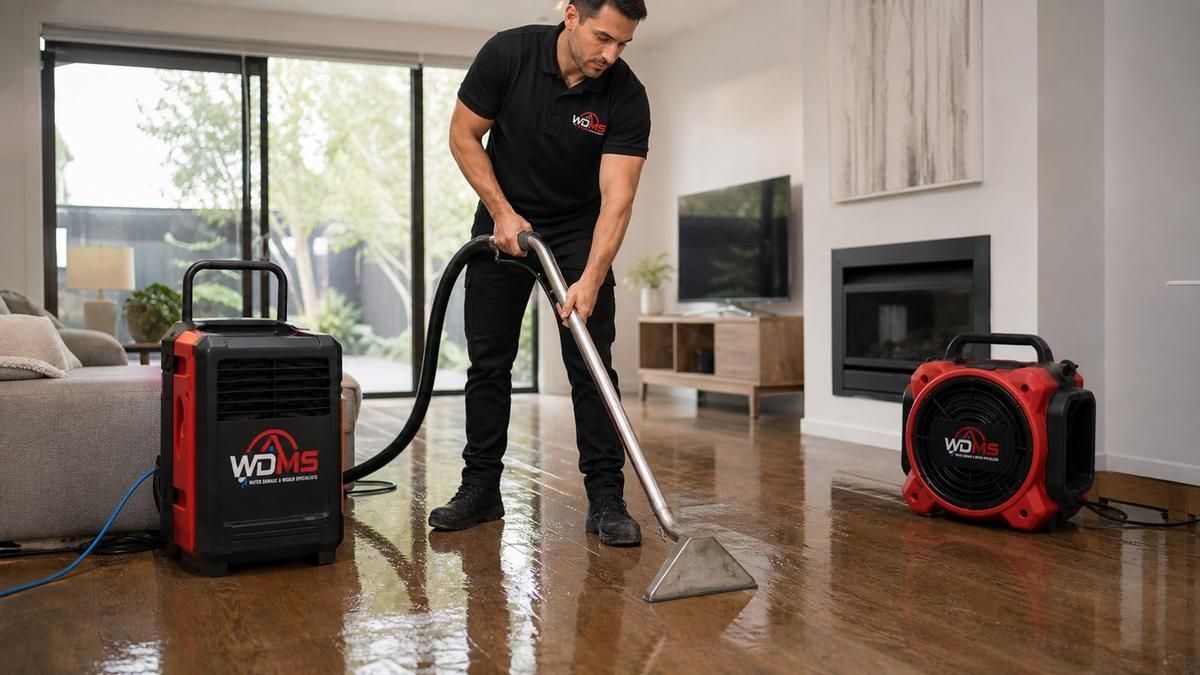
Water Damage Restoration
Burst pipes, leaking showers, failed appliances and roof leaks are all covered. Our emergency water damage restoration runs day and night. We assess, extract, dry and document each stage. Mould prevention treatment is included, so the problem doesn't come back.
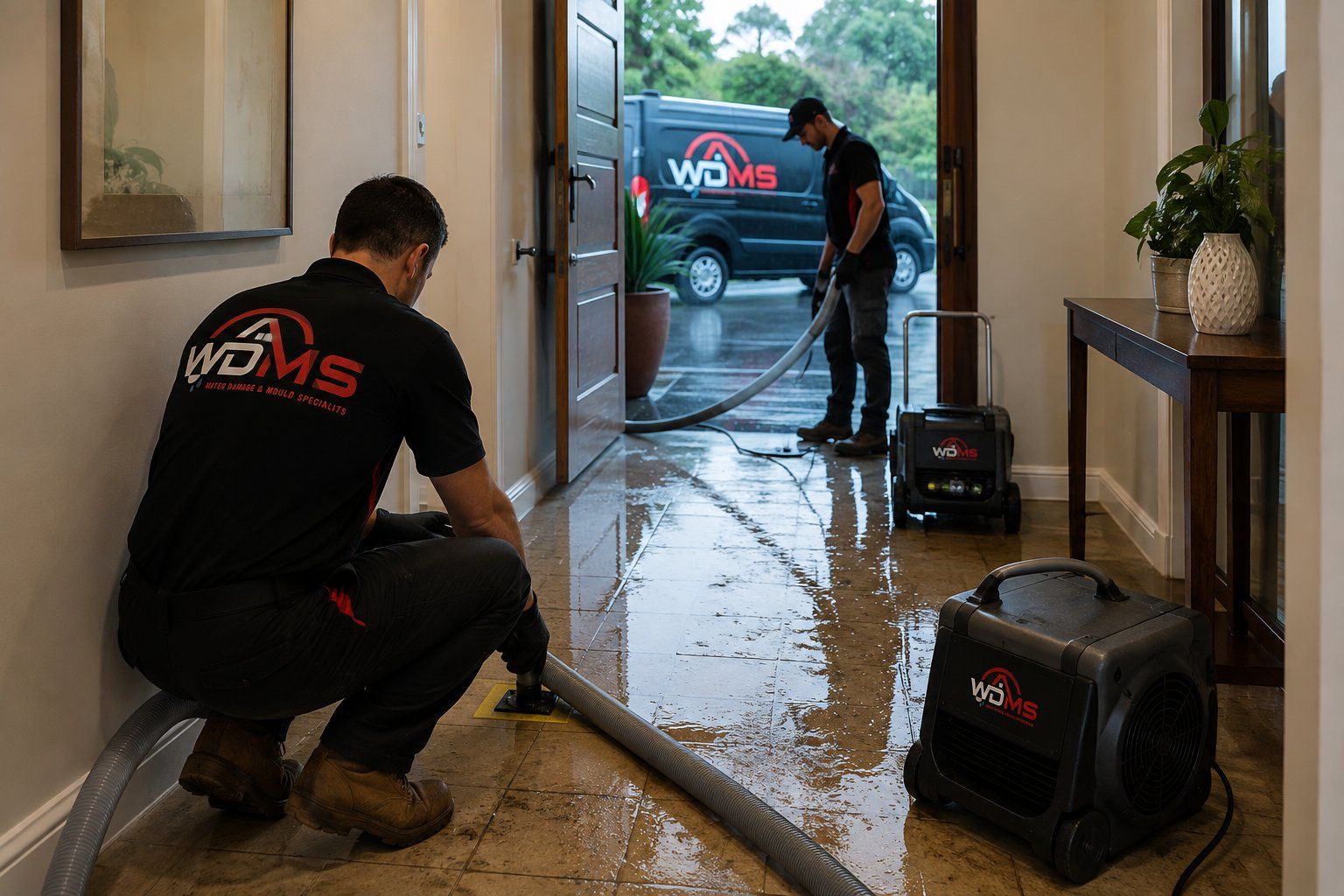
Flood Damage Restoration
Heavy rain, blocked gutters and high tides can send water into garages and lower floors. Our flood restoration team removes the water and cleans every affected surface. Controlled drying follows, with records kept for your insurer.
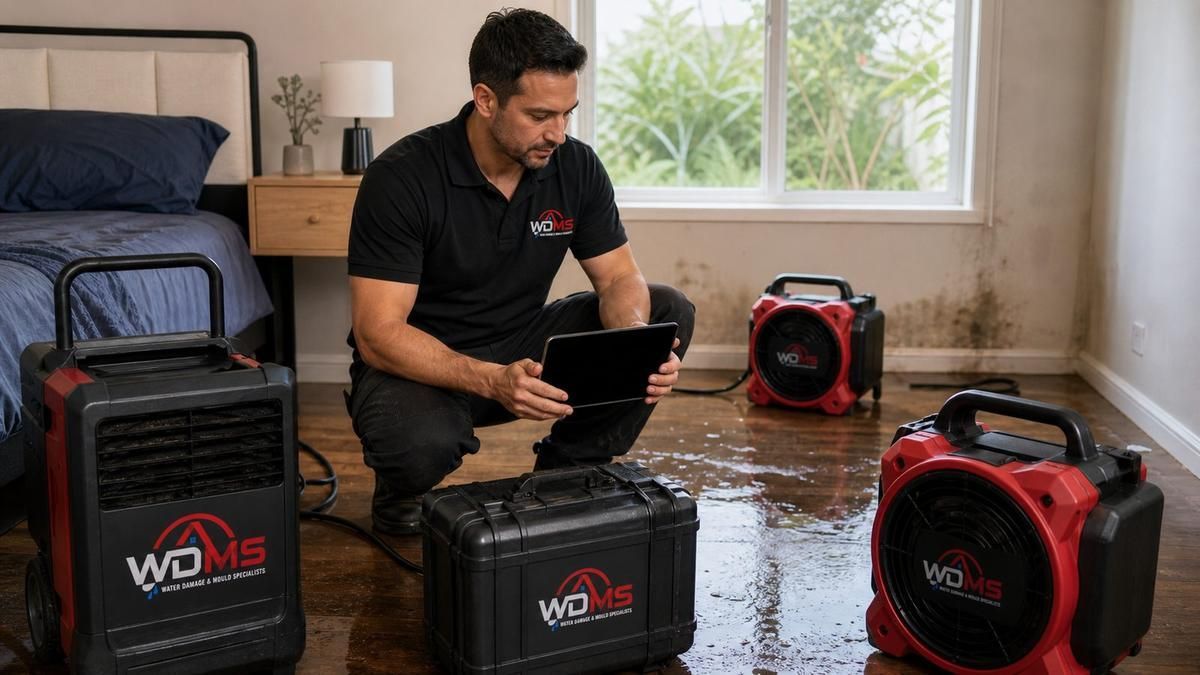
Emergency Water Extraction
Industrial pumps and truck-mounted extractors remove standing water from floors, carpets and basements. The service runs 24/7 across Rose Bay. Speed matters most here, because the first hours decide what can be saved.
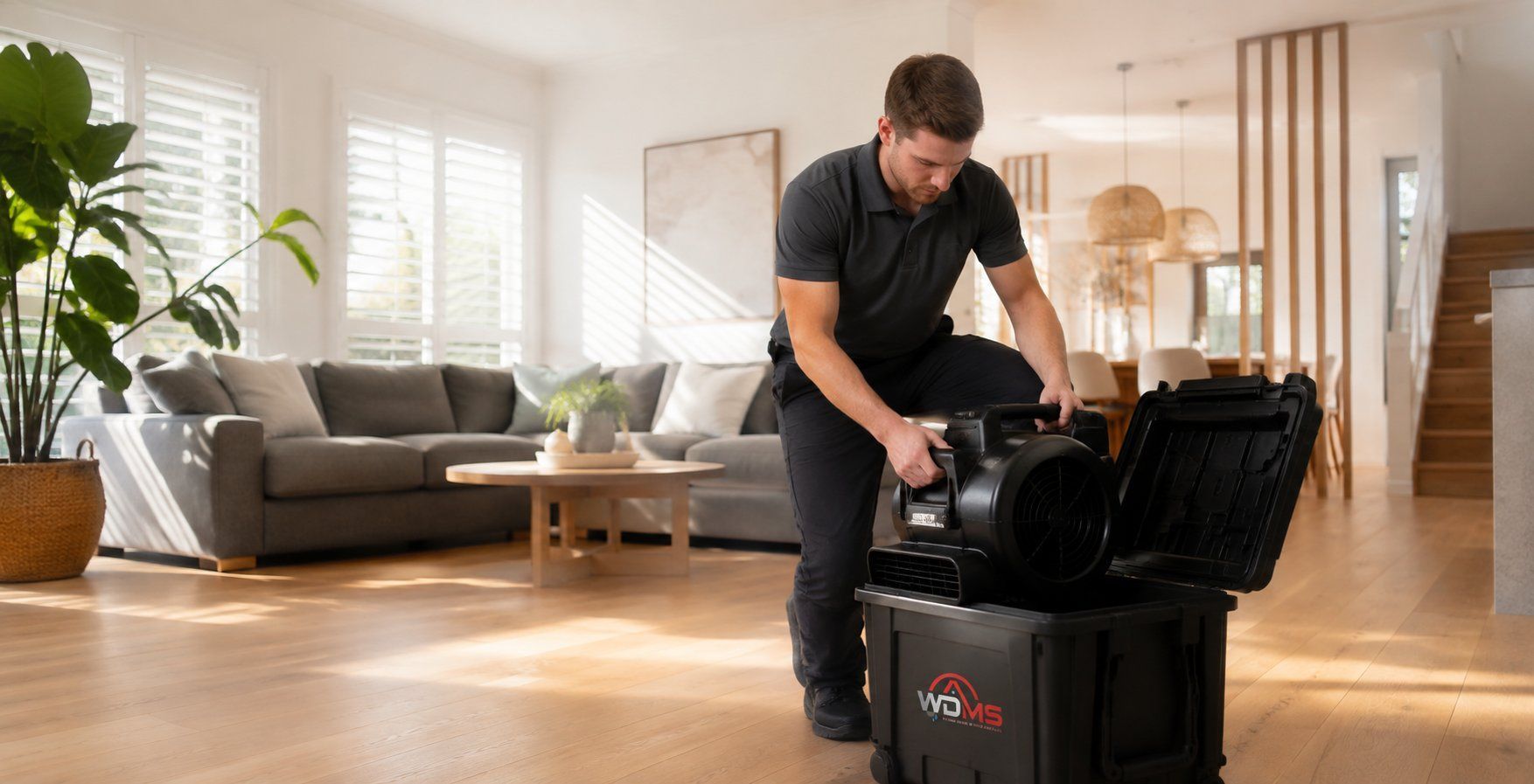
Structural Drying Services
We dry walls, ceilings, timber floors and cavities with air movers, dehumidifiers and cavity systems. The aim is to draw moisture out before structural issues develop. Monitored structural drying can take several days, depending on the materials and how far the moisture has travelled.
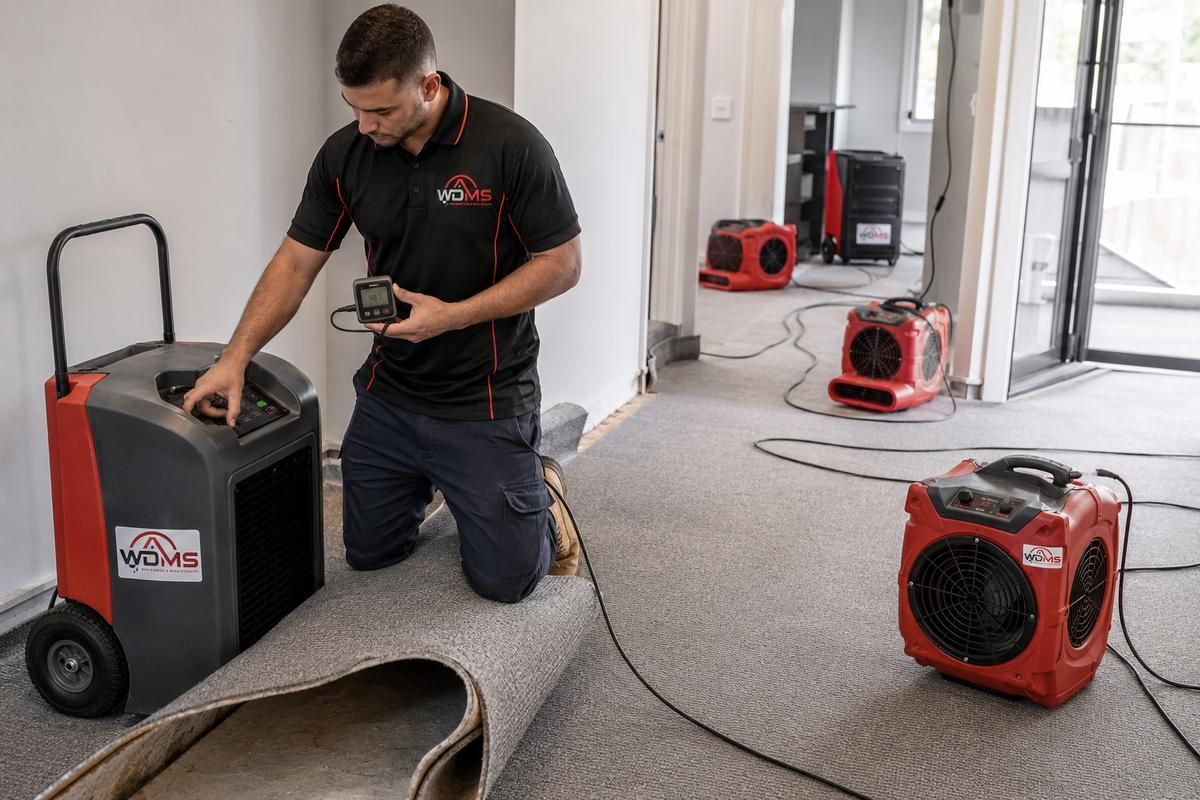
Wet Carpet Drying
Wet carpet and underlay are extracted with truck-mounted machines, then dried on site where possible. When the water was clean and help arrives early, carpet can often return to original condition. We finish with mould prevention treatment once the carpet is dry.
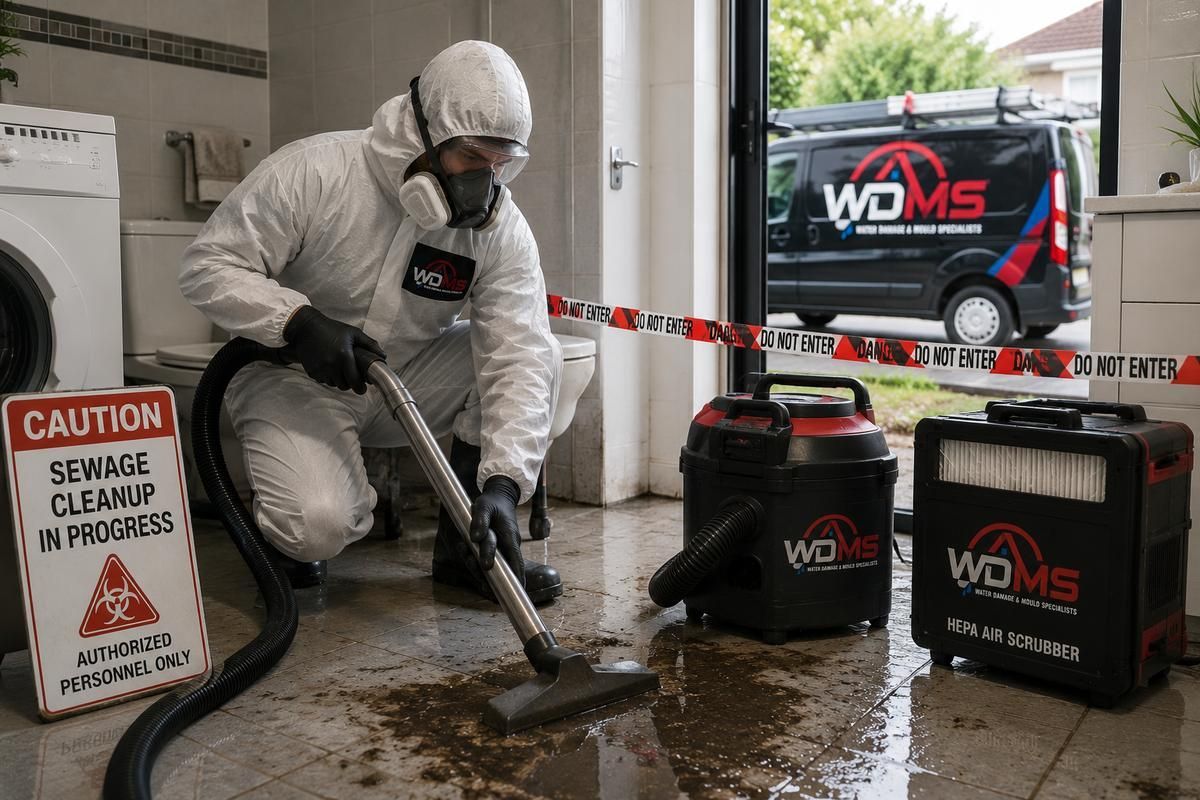
Sewage Damage Cleanup
Sewage backups and contaminated water need careful handling. We extract, clean, sanitise and dry the area to a safe standard. Porous items that can't be saved are removed and disposed of correctly.
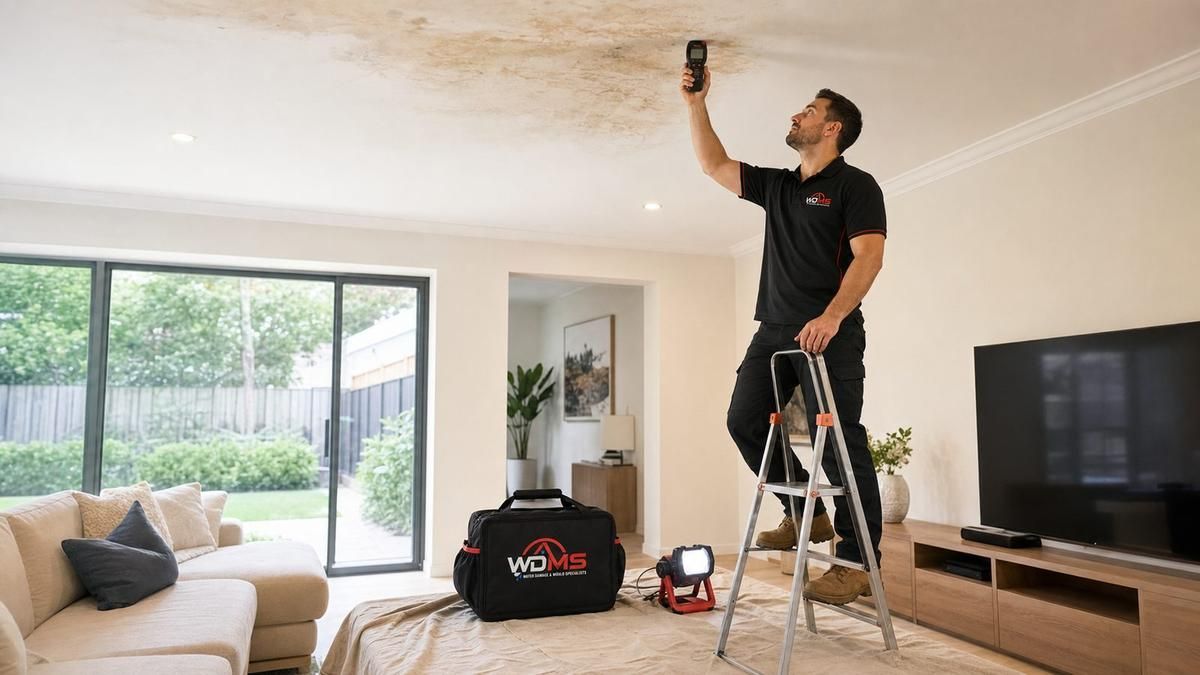
Commercial Water Damage Restoration
We restore cafés, shops and offices along New South Head Road, plus strata common areas. Work is planned around trading hours wherever possible. Every reading and photo is recorded for your insurer. Our goal is to get you open again quickly.
Step-by-Step Restoration Process
Every job follows the same water damage restoration process, from a small apartment leak to a flooded harbourfront home. A fixed order means nothing gets missed. It also keeps owners, managers and insurers informed at every stage.
Step 01
Initial Phone Assessment
Your call goes straight to a trained specialist. We ask what happened, where the water is coming from and who is affected. You get clear advice on stopping the water and staying safe. Meanwhile, our crew loads the right equipment and heads your way.
Step 02
Site Survey and Moisture Testing
On arrival, thermal cameras scan walls, ceilings and floors for hidden moisture. Calibrated meters then confirm the readings. In apartment blocks, we check neighbouring units where access allows. This shows the true extent of the damage before work begins.
Step 03
Water Extraction and Containment
Pumps and extractors remove standing water from every affected surface. We lift or protect furniture, rugs and stored items. Where mould or sewage is present, the area is contained to stop it spreading further.
Step 04
Drying System Setup
Specialised equipment is placed according to the moisture map, not guesswork. Air movers, LGR dehumidifiers and Injectidry systems target wet walls and floors. In larger homes, we set up separate drying zones room by room.
Step 05
Daily Moisture Monitoring
We return to re-test each mapped point against S500 drying targets. Equipment is moved or adjusted when readings stall. Each check is recorded with the date, the readings and the technician's initials.
Step 06
Final Inspection and Sign-Off
Once readings confirm the structure is dry, we clean and sanitise the affected areas.
Mould prevention treatment is applied where needed. Your report then includes photos, drying logs, final readings and a written scope. Your home can then get back to normal.
Specialist Drying and Detection Equipment
Household fans and hired vacuums only treat what you can see. They can't draw moisture out of stone, plaster or timber framing. Proper restoration needs commercial equipment matched to real readings. Every Rose Bay job can draw on:
- Industrial pumps that clear flooded floors and garages fast
- Truck-mounted extractors for large volumes of standing water
- LGR dehumidifiers that keep removing moisture in humid conditions
- Desiccant dehumidifiers for timber floors and cooler spaces
- High-velocity air movers that speed up surface drying
- Injectidry systems that push dry air into wall cavities and under floors
- Calibrated moisture meters for timber, plaster, tiles and concrete
- Thermal imaging cameras that reveal hidden
- ULV foggers that apply antimicrobial treatment across treated rooms
- HEPA air scrubbers that capture airborne spores and fine particles
Each piece is chosen to suit the readings. Running hours and settings are noted on the job sheet.
Rose Bay Property Types We Restore
Rose Bay has a wide mix of homes, from waterfront houses to compact 1930s flats. Each type handles water in its own way. That's why we offer tailored solutions within the same certified process. Here's how we approach the main types.

Harbourfront Houses
Large harbourside homes often have lower levels, garages and terraces close to the water. Storm runoff and king tides can reach these spaces first. We dry each level in turn and protect fine finishes, joinery and stone floors.
1930s Walk-Up Apartments
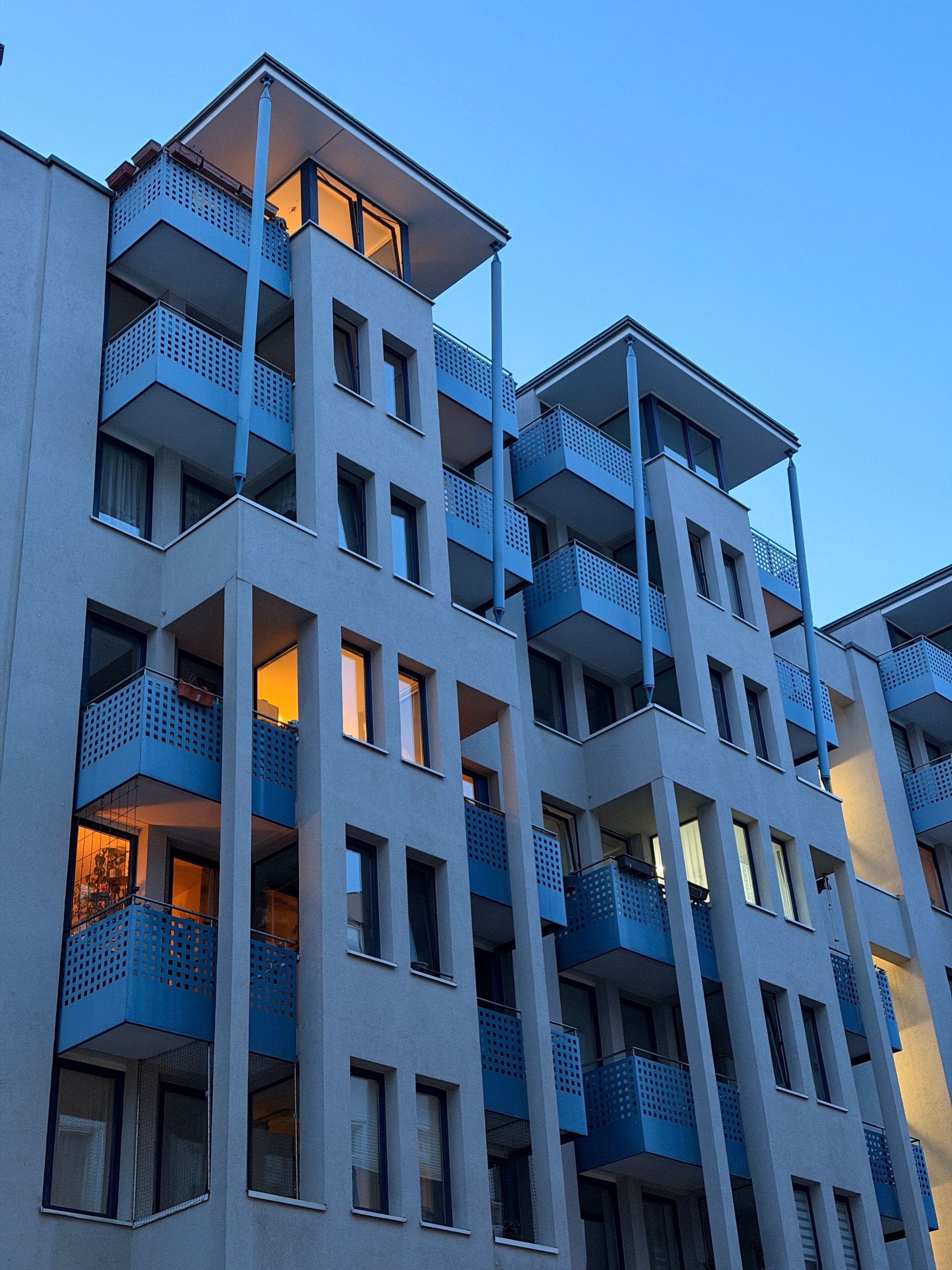
Many Rose Bay flats date from the 1930s building boom along New South Head Road and Balfour Road. Shared pipes and solid walls let leaks travel between units. We trace the water carefully and dry every affected flat.

Heritage Sandstone Residences
Rose Bay is known for its sandstone landmarks, and many older homes share the same materials. Old stone and plaster need gentle, controlled drying. We avoid aggressive methods that could crack or stain original surfaces.

Strata Blocks and Building Managers
When water moves between lots, the strata manager, building manager and owners all need the same facts. Our dated readings and photos trace the water's path from lot to lot. With many Rose Bay households renting, they also help landlords show repairs were handled promptly.

New South Head Road Shops
Cafés, boutiques and offices line New South Head Road, often with flats above. We screen off work areas and protect your stock. Where needed, we work after hours for minimal disruption, so trading can continue.
24/7 Water Damage Restoration Across Rose Bay
Leaking pipes, storm damage, damp walls and mould all get a fast response in Rose Bay. We extract water, dry the structure with measured results and carry out professional mould remediation. Homes, apartments and businesses are covered day and night.
Insurance Claim Assistance
Claims often stall because evidence is missing, not because of the policy. We collect that evidence from the first visit. Your insurer, broker or loss adjuster gets everything in a single handover. We deal with every insurer, including QBE, Suncorp and AAMI. With your permission, we liaise with them directly. Cover and claim approval remain subject to your policy and the insurer's assessment.
- Reports set out the way Australian insurers expect
- Time-stamped photos of every affected area
- Moisture readings recorded across the full drying period
- Daily drying logs completed by our certified technicians
- A written scope of works aligned with AS/IICRC S500
- Direct updates for your insurer or adjuster when requested
- Request Insurance Claim Help
Frequently Asked Questions (FAQs)
Can king tides or storm surge damage a harbourside home?
Yes, waterfront properties can be affected when high tides combine with storms. Water may enter garages, lower levels and gardens near the shoreline. Harbour water often carries salt and debris, so cleaning matters as much as drying. A moisture assessment shows how far the water has reached inside the home.
How fast does mould grow after a leak?
Under the right moisture and temperature conditions, mould can begin growing within about 24–48 hours. It often starts where you can't see it, such as behind wardrobes or under carpet. Fast extraction and thorough drying are the best ways to prevent mould. A quick moisture check can confirm whether hidden areas are still wet.
When should drying start after a flood?
Drying should start as soon as possible, ideally within the first 24–48 hours. First, the water source is stopped and standing water is removed. Moisture readings then guide where the equipment goes. Quick action protects timber floors and plaster, and keeps restoration costs lower.
Is bleach safe for cleaning mould?
DIY mould removal can work for a small spot, less than one square metre, on a hard surface. Wear gloves and a P2 mask, and keep the windows open. White vinegar on a damp cloth works better than dry scrubbing. Bleach is not suitable for porous materials like plasterboard or timber. Larger or returning mould needs professional removal services with proper containment.
Does insurance cover water damage?
It depends on your policy and what caused the damage. Sudden events, like a burst pipe, are often treated differently from slow leaks or gradual wear. Strata buildings may also have their own building policy. We can't confirm your cover, but our reports give your insurer clear evidence to assess.
How do you confirm walls are completely dry?
We never rely on touch or appearance. Calibrated meters test the moisture inside walls, floors and ceilings. Readings are compared with dry areas of the same material. Drying finishes only when the results meet S500 targets, and every reading is recorded in your report.
How much does mould removal cost in Rose Bay?
The price depends on how far the mould has spread and which materials are affected. Testing can also add to the cost. Water damage jobs vary with drying time and any contamination involved. We inspect first, then provide a written quote with no hidden extras.
Can mould affect my family's health?
Yes. Damp homes and mould growth bring health risks, especially for people with asthma or allergies. Common warning signs include a musty smell, mildew growth in wardrobes and dark spots on ceilings. A professional mould inspection can include air quality analysis. That helps confirm the type and extent of the problem.
How long will the job take?
A typical home mould job runs anywhere from a couple of hours to two days. Water damage jobs depend on the materials affected and how far moisture has spread. Larger commercial jobs can take several days. We give you a clear timeframe after the first inspection.
Same-Day Water and Mould Response
A ceiling stain, a damp lower floor or a musty smell after rain all need prompt attention. Our
IICRC-certified technicians handle water extraction, structural drying and
mould remediation. We look after houses, apartments, strata blocks and shops across Rose Bay. One call gets a specialist on the way.
Included With Every Booking
✔ An IICRC-Certified Technician Leading the Work
✔ 12-Month Warranty for Eligible Mould Remediation
✔ 24/7 Response Anywhere in Rose Bay
✔ No-Charge Assessment When Work Goes Ahead
✔ Reports Australian Insurers Can Rely On
✔ Houses, Apartments and Shops All Covered
Free Moisture Check and Expert Advice
Tell us what happened, and send a few photos if you can. We'll give you clear advice and a plan while a technician is on the way. The sooner drying begins, the more of your Rose Bay home can be saved. Phone 0401 646 666, or email info@watermouldspecialists.com.au any time.
24/7 Emergency Response · IICRC-Certified Technician · Free Moisture Assessment · Insurance-Ready Reporting